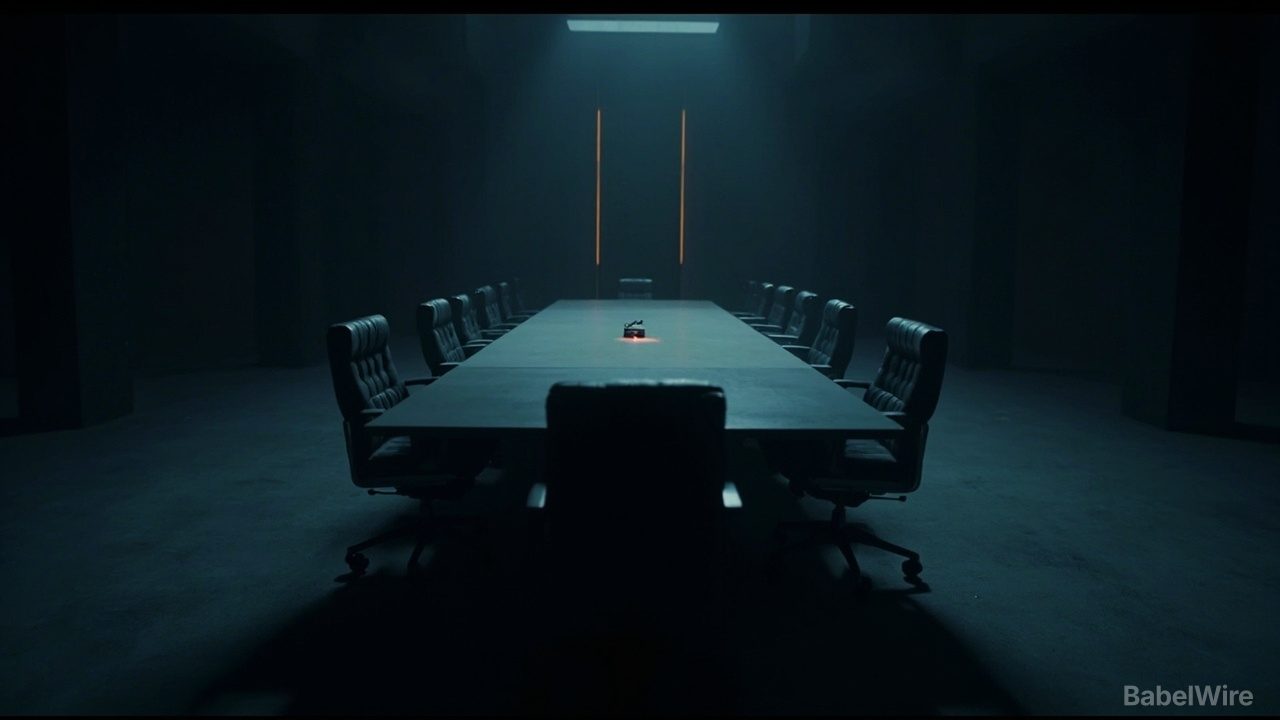
The FBI has arrested an OpenAI employee accused of planting a hidden recording device in a conference room, according to reports from TechCrunch and The Verge published on 13 October 2026. Both outlets describe an alleged attempt to covertly capture audio inside the company's offices. The accused has not been convicted, and the specifics of any charges have not been laid out in the reporting so far.
Conference rooms are, in practice, where a lab's real roadmap lives. Product launches, safety decisions, partnership terms and internal disagreements are worked out in rooms like these long before anything reaches a blog post — which is why a corporate security team treats a rogue recorder as an insider-risk incident rather than a prank.
For an AI company the stakes are doubly awkward. Frontier labs are simultaneously the most scrutinised and the most secretive institutions in technology: they publish safety frameworks while keeping model internals, compute contracts and customer deals under strict confidentiality. A physical eavesdropping device is a failure of that perimeter — the kind that no amount of model-evaluation paperwork addresses.
The reporting does not yet establish what motivated the alleged act, whether any audio was captured or removed, or how the device was discovered. Those gaps matter: an internal security sweep finding a planted device quickly is a very different story from months of undetected recording.
What to watch next: court filings and any statements from OpenAI; whether the company changes its internal recording and visitor policies; and whether the case prompts a broader look at physical security at other labs. Until then, the responsible reading is the narrow one — an employee is accused, an investigation is under way, and the presumption of innocence applies.