In what officials describe as the largest-ever takedown of explicit deepfake websites, the Manhattan District Attorney's Office has seized 12 domains used to host, share, and sell nonconsensual celebrity deepfake videos. The operation, announced September 14, targeted sites that collectively depicted approximately 1,200 victims — overwhelmingly women — in manipulated sexual content.
Scope of the Sites
The seized websites used names containing phrases like 'sex celebrity' and promised 'real deepfakes,' hosting videos of some of the world's most famous people. Videos could be several minutes long and included fully explicit scenes with celebrity faces swapped into existing pornographic content. Archived versions showed some videos had been viewed tens of thousands of times, with one site claiming to have been online since 2018.
Among the victims were social media influencers, actors, activists, athletes, musicians, and politicians. Research from the American Sunlight Project found that 56 European politicians and 16 US politicians were mentioned or depicted across the seized sites. Many videos appeared to be reposts from the notorious MrDeepFakes platform, which was previously taken offline after its creators were unmasked.
Enforcement Under New Legal Powers
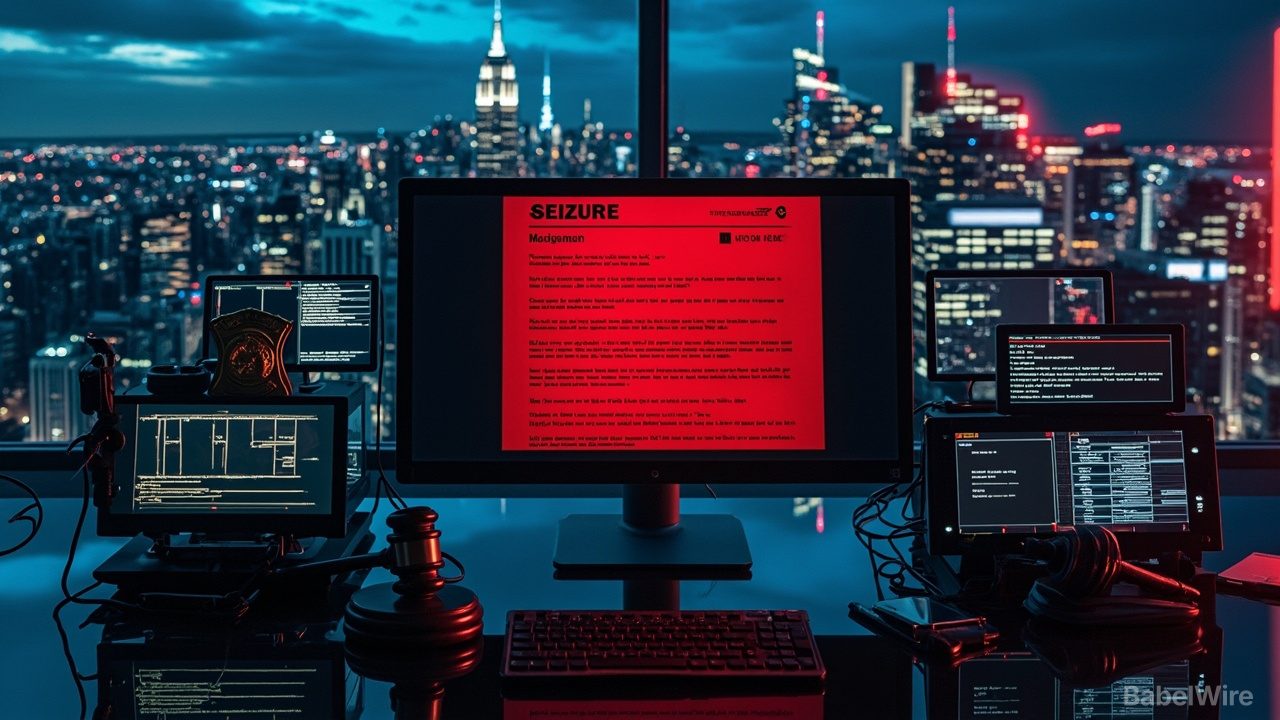
The seizures were carried out under New York's criminal procedure laws, enabled in part by the federal Take It Down Act, which increasingly allows law enforcement to take down and seize websites hosting nonconsensual intimate imagery. The sites now display seizure notices from the New York State Supreme Court.
District Attorney Alvin Bragg urged victims to contact his office's cybercrime bureau, saying the violations 'follow victims into their careers and personal lives and take an immense toll on emotional and mental well-being.' The investigations into who created, operated, and uploaded content to the websites are ongoing.
A Significant but Limited Victory
Researchers called the takedowns a major step forward. Leonie Oehmig of the Institute for Strategic Dialogue said the enforcement shows that 'meaningful, coordinated enforcement is achievable even where regulation itself remains fragmented across jurisdictions.' The seized sites do not appear to be accessible even through VPN connections.
However, Oehmig cautioned that the deepfake ecosystem extends far beyond hosting sites. 'Effective intervention needs to target the ecosystem at multiple points, including the tools used for creation, the discovery and promotion platforms, the hosting infrastructure, and the payment and affiliate systems that enable operators to monetize them.'