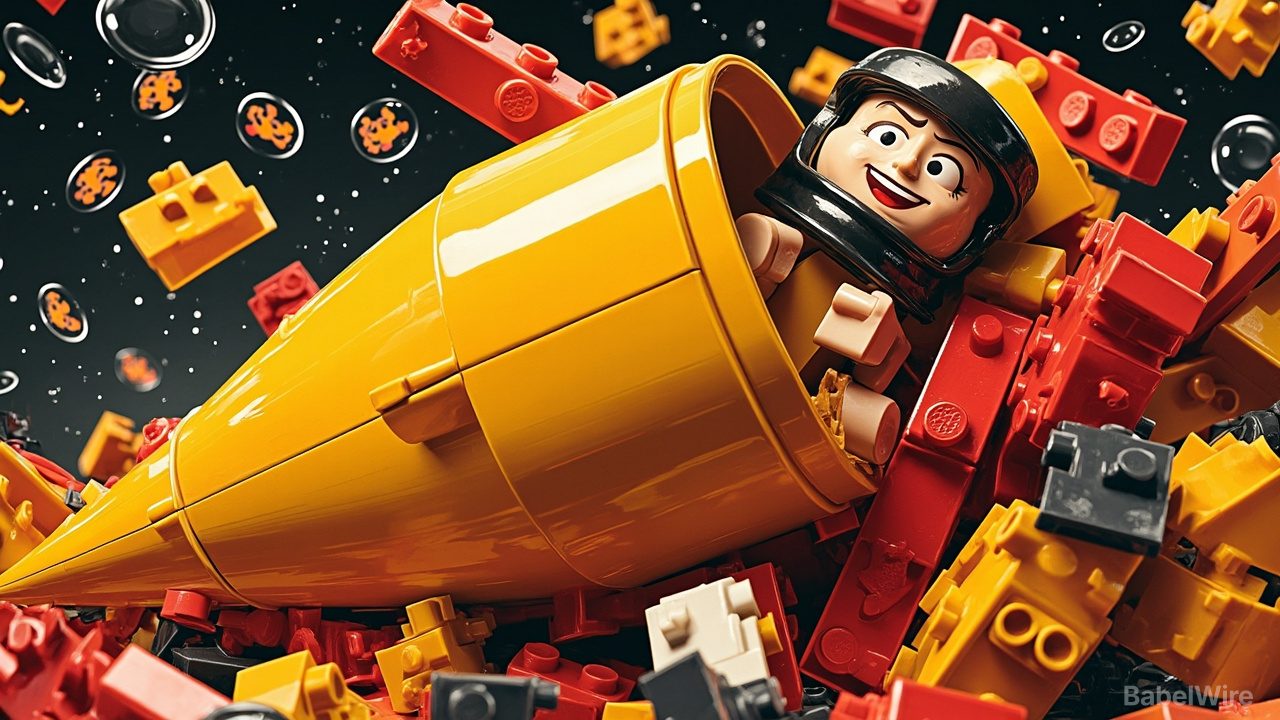
Elon Musk showed off what he presented as a haul of Star Wars Lego, generated with his own Grok AI — and users on X promptly turned the boast into a punchline, Wired reported. The episode is a compact illustration of a widening gap: the people shipping AI-generated imagery and the people looking at it are getting very good at spotting it.
The mechanics of the joke were familiar to anyone who has watched AI images circulate. Models render plastic bricks, minifigure faces and franchise branding with impressive confidence and unreliable fidelity. Fans with deep familiarity with a product line notice the wrong pieces, the impossible builds, the mismatched logos. A boast built on generated pictures hands that audience an easy target.
The episode also speaks to a habit that has become common among executives selling AI: using the technology for conspicuous personal display. Demonstrating a model by showing off a purchase is a strange pitch, but it does the job of keeping the tool in the feed — and it invites exactly the scrutiny it receives.
Underneath the joke is a real issue for makers of generative systems. As output becomes ubiquitous, the value of imagery shifts from looking plausible to being verifiable. Authenticity markers, provenance standards such as C2PA, and platform labelling exist for that reason; so does the older lesson that an engaged audience is the cheapest detection layer you will ever have.
For Grok, the episode is unlikely to matter commercially. For the wider market, it is a data point about how quickly the novelty of generated images has worn off — and how much of the public conversation about AI is now really a conversation about trust.