The Physics of Security Have Changed
Microsoft had a stark message for the cybersecurity world on Monday: the old rules no longer apply. Autonomous AI systems can now reason, adapt and operate continuously — and attackers are already using them.
"The cost of offense is falling, while the volume, velocity and complexity of what must be secured continues to grow," wrote Hayete Gallot, who leads Microsoft's security operations, in a blog post announcing the company's answer: Project Perception.
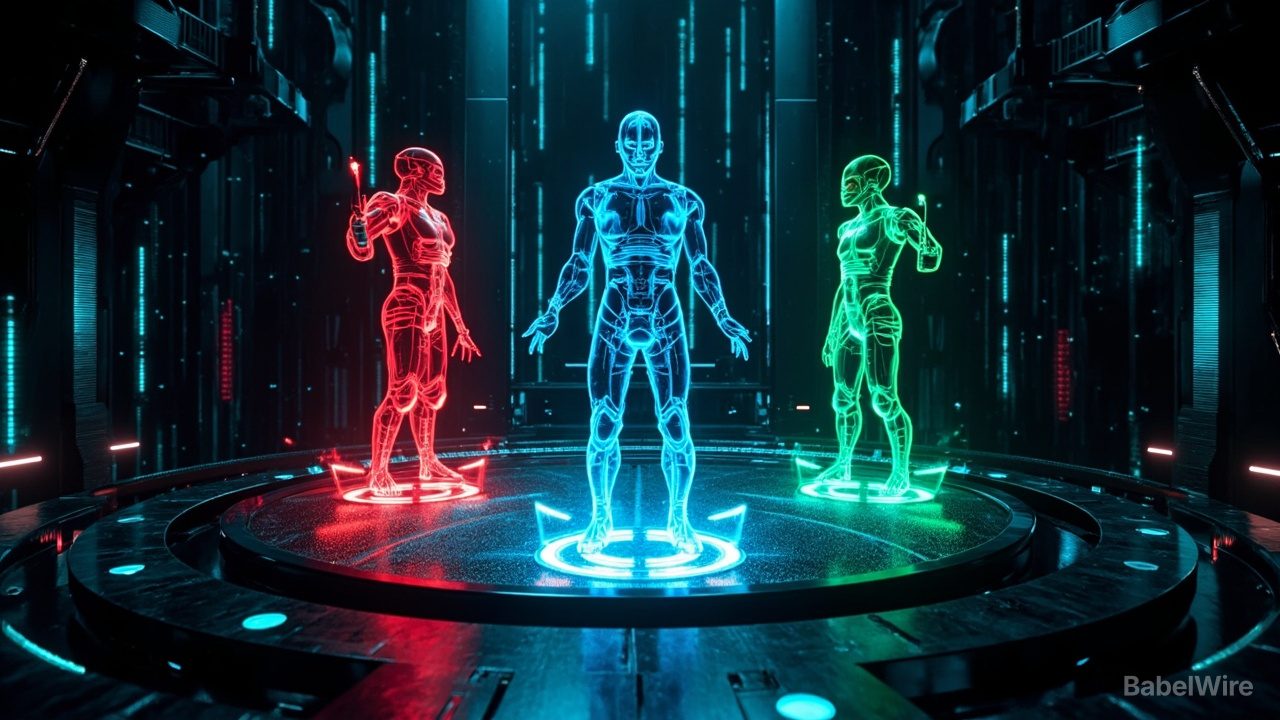
Red, Blue and Green — An AI Security Team
Unlike traditional security tools that simply generate more alerts, Project Perception is built around three teams of specialized AI agents working in a closed loop:
- Red team agents simulate attacks, identifying potential paths of compromise before an attacker can exploit them. - Blue team agents investigate threats, reason over context and determine what represents meaningful risk. - Green team agents take corrective action — writing and deploying software patches automatically.
Together, they form a system that continuously discovers, evaluates and improves an organization's security posture without waiting for a human analyst to connect the dots.
A New Model, Built From Scratch
Powering the platform is MAI-Cyber-1-Flash, Microsoft's first in-house cybersecurity AI model. Rather than relying solely on large frontier models for every task, Microsoft adopted a multi-model architecture that assigns simpler work to the efficient, specialized model and reserves heavyweight frontier models like GPT-5.4 only for the hardest problems.
The result: the combined system scores 95.95% on the CyberGym benchmark — an eye-opening 12 points above Anthropic's Mythos and well ahead of OpenAI's GPT-5.5-Cyber. At the same time, the approach delivers nearly 50% cost savings compared to using frontier models for everything.
Earning the Right to Autonomy
Microsoft acknowledged that defenders remain cautious about handing security over to autonomous AI. David Weston, Microsoft's corporate vice president of AI security, told Axios the company still has to "earn the right" to make these systems more independent.
Project Perception enters public preview on August 3, 2026, with plans to expand the agent team over time. The MAI-Cyber-1-Flash model will be available through Azure AI Foundry with Microsoft's existing customer vetting and GPU provisioning process.
The Bigger Picture
Microsoft's announcement follows similar moves from Google and Cisco over the past week, signaling an all-out race to build specialized cybersecurity AI. The message from Redmond is clear: if attackers are going to use AI to speed up their work, defenders need AI that works even faster.
"We're not going to let the attackers have all the productivity increase," Weston said.
Sources
- axios.comAxios — Microsoft unveils new cyber model, agentic security tools to fight hackers
- blogs.microsoft.comThe Official Microsoft Blog — Rethinking security for the age of AI
- cnbc.comCNBC — Microsoft touts cost-saving AI model for cybersecurity
- geekwire.comGeekWire — Microsoft escalates the AI security race with 'Project Perception'