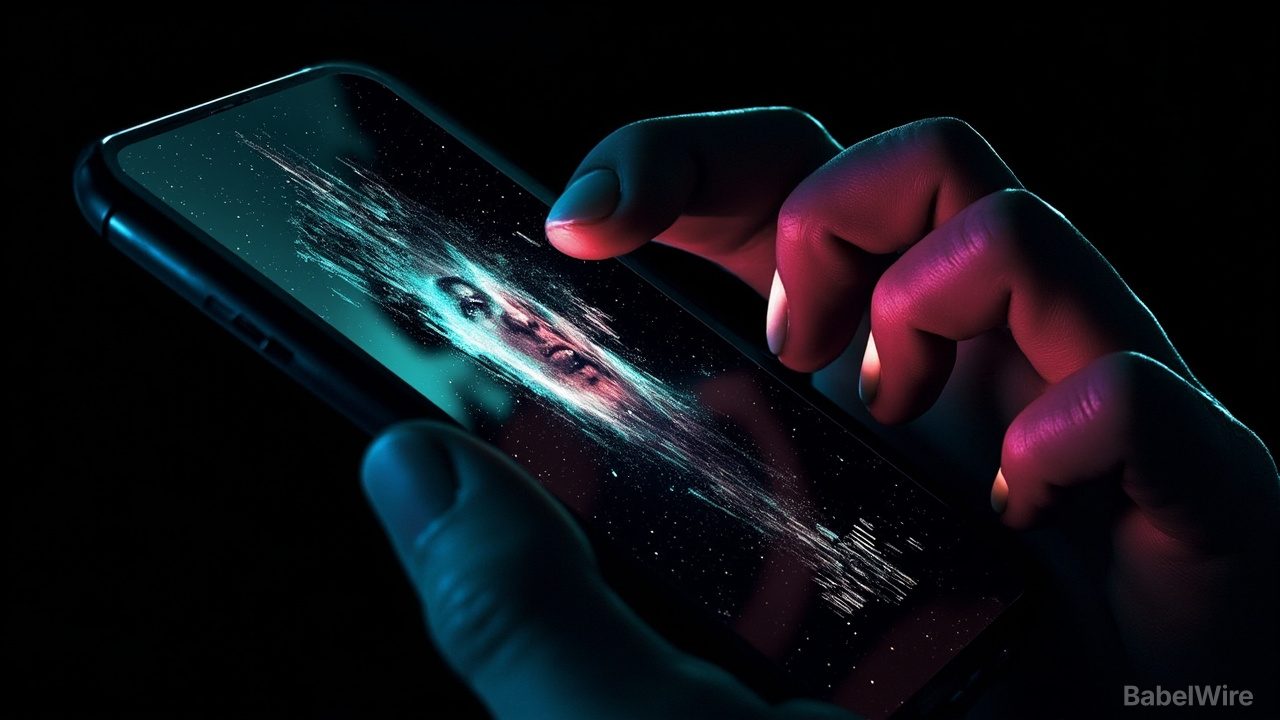
Microdramas — vertical, phone-first drama series sometimes called reel shorts — have become one of the fastest-growing corners of the entertainment business, and AI is moving into their production pipeline in a very literal way: startups in the space are reportedly offering to pay ordinary people for the right to use their faces.
The pitch is straightforward. Hand over a licence to your likeness, and your face can be generated into performers appearing in AI-produced episodes — no casting calls, no shooting schedules, no residuals. For participants it is a chance to be paid for something that previously only happened to actors with agents; for the industry it is a way to produce near-unlimited scripted content at a fraction of the cost of a live-action shoot.
The questions are the ones Hollywood has been circling since generative video arrived. Who owns the digital double — the person, or the company that licensed it? What happens to a face once the contract ends? Can consent given today be revoked tomorrow? And if an AI-generated performer can carry a series, what happens to the performers whose likenesses the whole ecosystem still runs on?
That the question is now being put to gig-economy users rather than union actors marks a shift: the AI likeness debate is no longer only a labour negotiation — it has become a consumer product.

