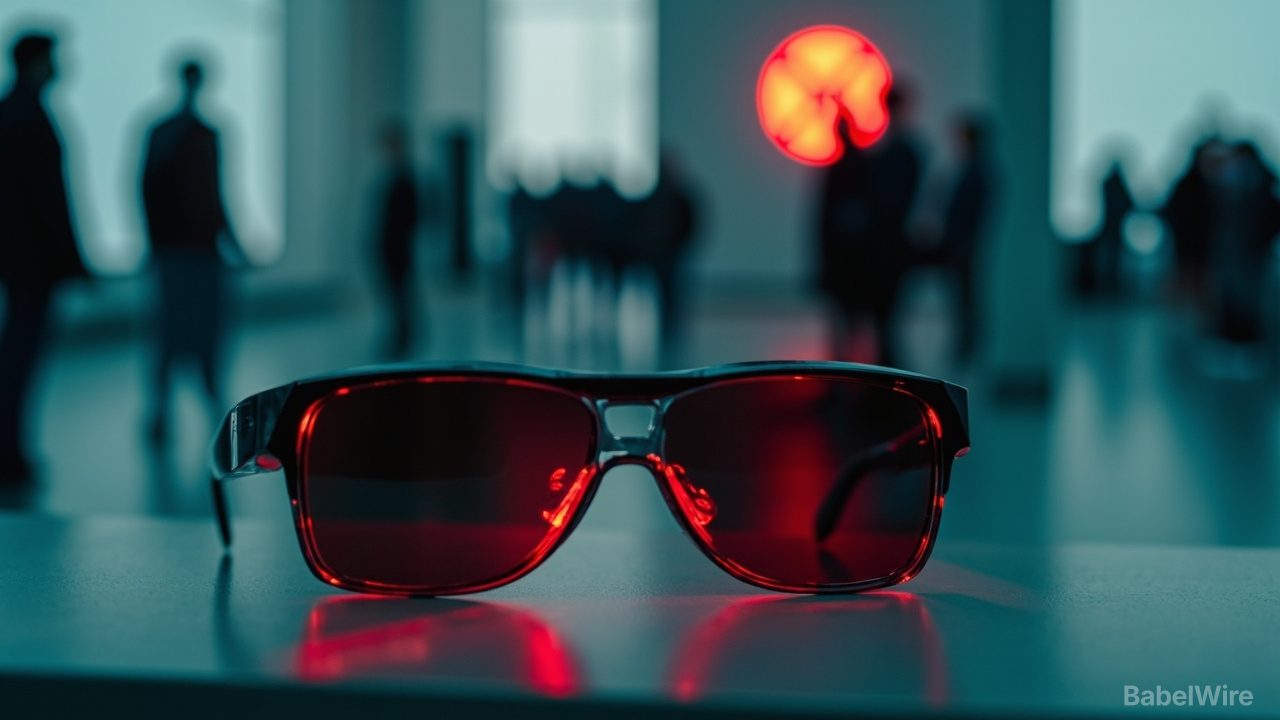
WIRED has assembled a running map of more than two dozen institutions that have restricted camera-enabled smart glasses — and the pace is quickening. In the Netherlands alone, 15 museums and theaters in Wageningen jointly declared smart glasses unwelcome in November, while 35 cultural venues in Groningen published a statement that the devices "have no place in our buildings." Parkes Shire Council in New South Wales banned them from pools, libraries and childcare centres, and the Dutch optician chain Hans Anders stopped selling Meta Ray-Bans in the Netherlands and Belgium.
The list runs from courts (England and Wales, New York, Colorado, Hawaii, Pennsylvania) to schools (Victoria, Western Australia, Oslo, Utah, Florida, California, Nevada), from Defcon to Delta Air Lines and ICE. South Korea's education ministry banned the glasses in exam halls and later reported that 111 candidates were caught with AI-enabled cheating tools during a nationwide exam.
Germany's hospitals are the latest front. The Asklepios group says it has barred operational smart glasses across its facilities since August 2026; BG Klinikum Hamburg forbids smart glasses and comparable body-worn devices that can capture or transmit images, sound or personal data, with exceptions approved by corporate communications. "Hospitals are highly sensitive protected spaces," said Asklepios CEO Joachim Gemmel. "Every patient must be able to be with us without fearing being recorded without noticing."
The restrictions are not absolute. Hamburg's data protection officer Thomas Fuchs says an overriding legitimate interest can apply when blind or visually impaired people use the glasses to read text or orient themselves — but that is not a blanket permission to override house rules, and he resists making that exception the main argument for Meta's camera glasses. The city's association for the blind welcomed planned exemptions for medically necessary aids in Hamburg's pools and public transport. Asklepios allows individual arrangements for use as a medical aid after consulting clinic leadership, and points out that recording status lights can be overlooked or covered.
Meta, which has sold millions of the glasses, says limiting their use "would be a major step backwards" and argues existing rules should be applied consistently.