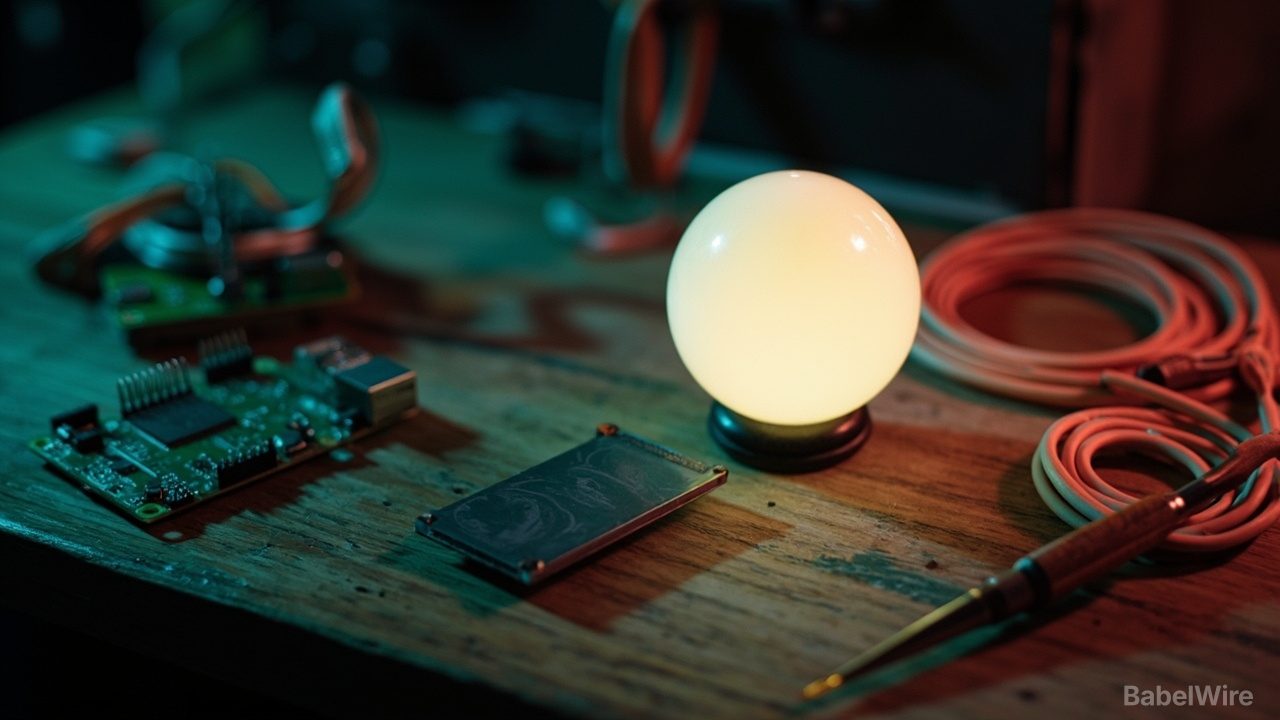
Meta wants Muse, its consumer AI agent, on your workbench. The company has open-sourced code that lets anyone build gadgets around the agent, and is giving away a small piece of hardware it made itself.
"Muse gadgets are open source devices you build yourself," Meta says. The suggestion is to program an off-the-shelf ESP32 board or set up a Raspberry Pi with Meta's SDKs, then connect Muse to displays, buttons, sensors and actuators. Meta's own examples include a colour E Ink panel that shows reminders, an HDMI stick that puts Muse on a big screen, and a small touchscreen build that resembles a DIY version of the Muse Charm wearable. Its guidance comes with a warning: "Proceed at your own risk!"
Meta is also giving away the Muse Home Link, a hub it designed and manufactured. According to Nat Friedman of Meta Superintelligence Labs, 5,000 units were built; a waitlist is open and shipping is expected this month. With community-built skills, Meta says, the Home Link can turn on a light, control a TV, send a document to a printer "and more, depending on your setup."
The move extends Meta's push to make Muse the layer between people and their devices. The company has been widening the agent's reach — small-business tools, an enterprise platform — while competing with OpenAI's own always-on agents. Open-sourcing the gadget layer is a cheap way to seed an ecosystem of tinkerers and, eventually, more places for Muse to live.
There is a trust caveat. Muse is an always-on agent with access to personal context, and it has already produced uncomfortable headlines: in late September, The Verge reported that Muse sent a YouTuber's address to a stranger. Handing hobbyists the keys to connect an agent to lights, printers and televisions puts that question — who is in control, and what can leak — on the kitchen table.