Meta is rolling out a new update for its AI glasses that disables the camera if the device detects that the capture LED has been physically tampered with or destroyed — a privacy safeguard the company says no other camera has implemented.
The update, announced in a blog post on July 7, marks the latest step in Meta's ongoing effort to address privacy concerns surrounding its smart glasses, which have become one of the fastest-growing consumer products of the decade.
"Since the introduction of this safeguard, we've seen some people go beyond using tape to sophisticated efforts to modify or destroy the capture LED," Meta wrote. "We are continuously improving our ability to detect tampering, and now we're updating the glasses to disable the camera if they detect the LED was physically tampered with or destroyed. No other kind of camera has done this and we're proud to lead the industry forward."
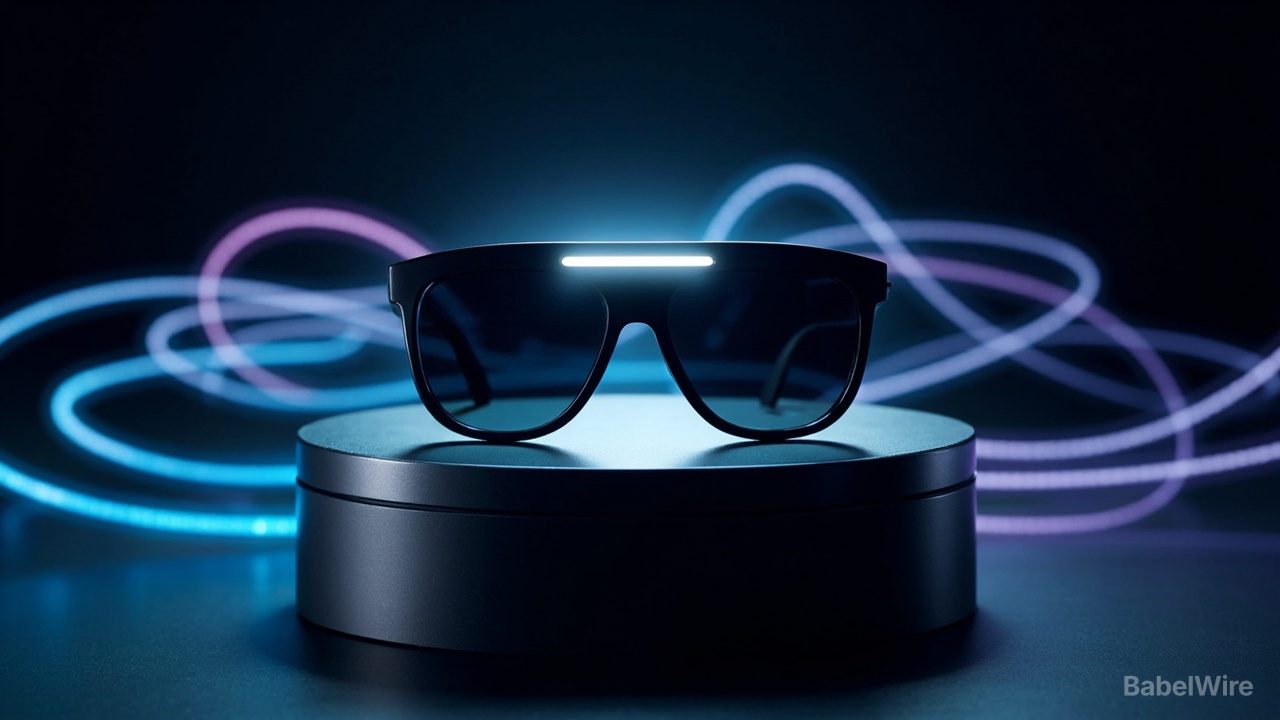
The capture LED — a white light on the front of every pair of Meta's AI glasses — blinks whenever content is being captured, letting people nearby know they are being recorded. For a photo it blinks briefly; for a video it continues blinking for the duration of the recording. The LED has no off switch.
The new detection system builds on a feature introduced with the second-generation glasses, which automatically disabled the camera if the LED was blocked by tape or other materials. Some users had found ways around that safeguard, including physically destroying the LED itself — prompting the more robust tamper-detection update.
Meta is also taking action beyond its hardware. The company said it works across its platforms to remove ads, posts, and Marketplace listings that advertise LED tampering services, and will take action up to banning accounts that do this. It also pursues legal action against people or businesses that sell services designed for tampering with the capture LED.
The privacy push comes amid growing scrutiny of wearable cameras and always-listening devices. Meta's AI glasses — a collaboration with Ray-Ban — have sold millions of units and are widely considered the first major consumer AI hardware success. But they have also sparked debates about recording without consent, with critics raising concerns about surreptitious filming in public and private spaces.
Meta emphasized that the company continues to consult with leading experts on privacy features and is committed to making the glasses "even safer and more trustworthy" as they become more capable and common.
The move sets an industry precedent: no major smart glasses competitor — including Google, Snap, or Apple (which is reportedly developing its own smart glasses) — has yet implemented camera-disabling based on LED tamper detection. Meta's update is mandatory and applies to all existing second-generation AI glasses.
Sources
- about.fb.comMeta Newsroom - Meta's AI Glasses: Your Questions Answered
- engadget.comEngadget - Meta says it will disable the camera on its glasses if you tamper with the recording LED
- roadtovr.comRoad to VR - Meta Closes Smart Glasses Privacy Loophole With New Camera Update
- androidcentral.comAndroid Central - Meta's smart glasses will now disable the camera if you tamper with the privacy light