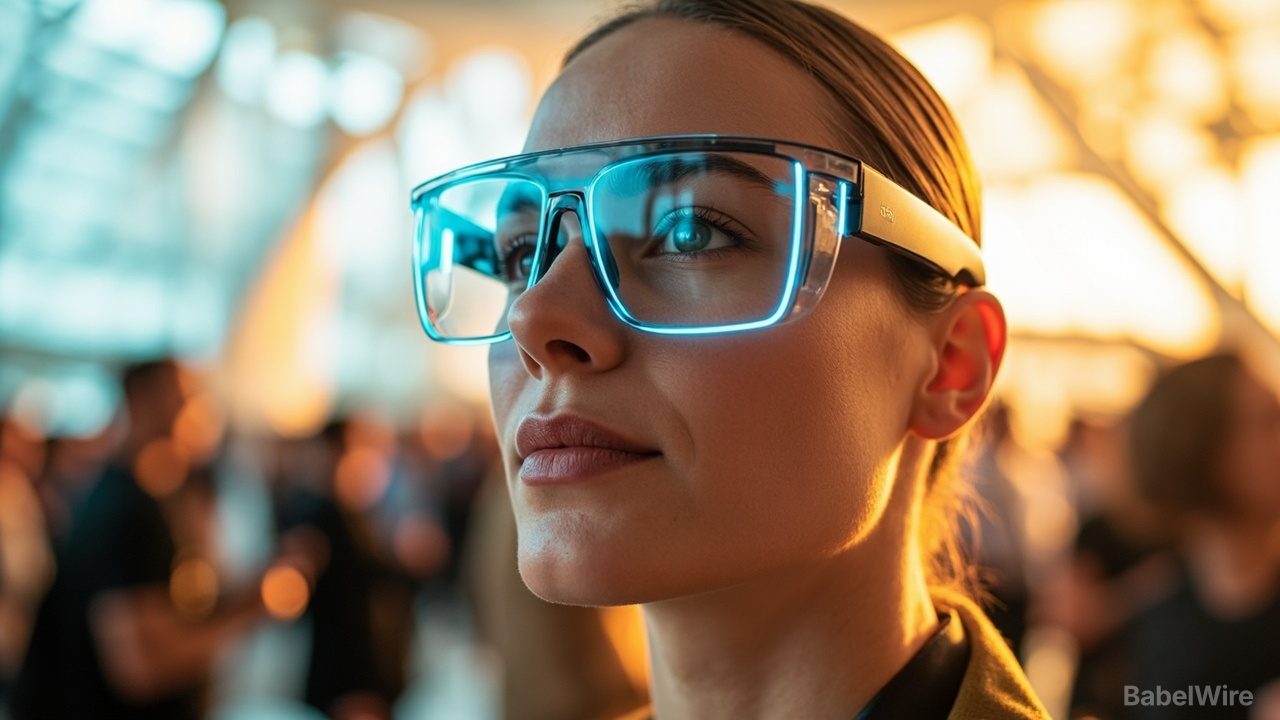
If Meta Connect 2026 proved one thing, it's that Mark Zuckerberg's vision for smart glasses as the next computing platform is no longer theoretical. Every demo, every staff member, every influencer at the annual event seemed to be wearing some variant of Meta's high-tech specs.
**The privacy-first audio glasses.** Among the most notable reveals: Meta's unreleased audio-only smart glasses, equipped with six microphones but zero cameras. The timing is significant — the announcement follows accusations that Meta's camera-equipped glasses could be used for surreptitious surveillance (critics labeled them "pervert glasses"). By stripping cameras entirely and having no native recording capability, these glasses aim to neutralize the privacy backlash while still delivering value as a wearable audio device.
The glasses are significantly lighter than existing models, and the audio experience — music listening and phone calls — reportedly rivals earbuds in comfort.
**Muse integration.** The audio glasses will connect with Muse, Meta's personal agentic AI system. Wearers can speak commands to the glasses, and Muse will handle tasks like sending emails, reciting to-do lists, or answering questions — functioning as a voice-controlled AI assistant on the go. Early hands-on reports suggest the interaction requires clear, direct speech and struggles with overlapping conversations, but the concept of ambient AI through eyewear is compelling.
**The $150 hearing-aid glasses.** Perhaps the most socially impactful product: glasses designed for the hearing impaired. With approximately 50 million Americans experiencing some degree of hearing loss, the device addresses a massive market where traditional hearing aids can cost up to $1,600.
Meta's research team spent five years developing the glasses, which amplify sound from the wearer's conversation partner. Users can toggle between focused mode (amplifying the person directly in front) and omnidirectional mode (picking up sound from all directions). The experience was demonstrated using earplugs to simulate hearing loss.
**The bigger picture.** Smart glasses have been a graveyard for tech ambitions — from Google Glass to Snap Spectacles. But Meta's strategy of casting a wide net — style-forward designs, practical health applications, AI integration, and affordable pricing — suggests a more comprehensive approach to finding product-market fit.
Zuckerberg has bet Meta's hardware future on this category. The Connect 2026 lineup shows the company isn't just iterating on one product; it's building an entire ecosystem of wearable AI, from entertainment to accessibility to productivity.