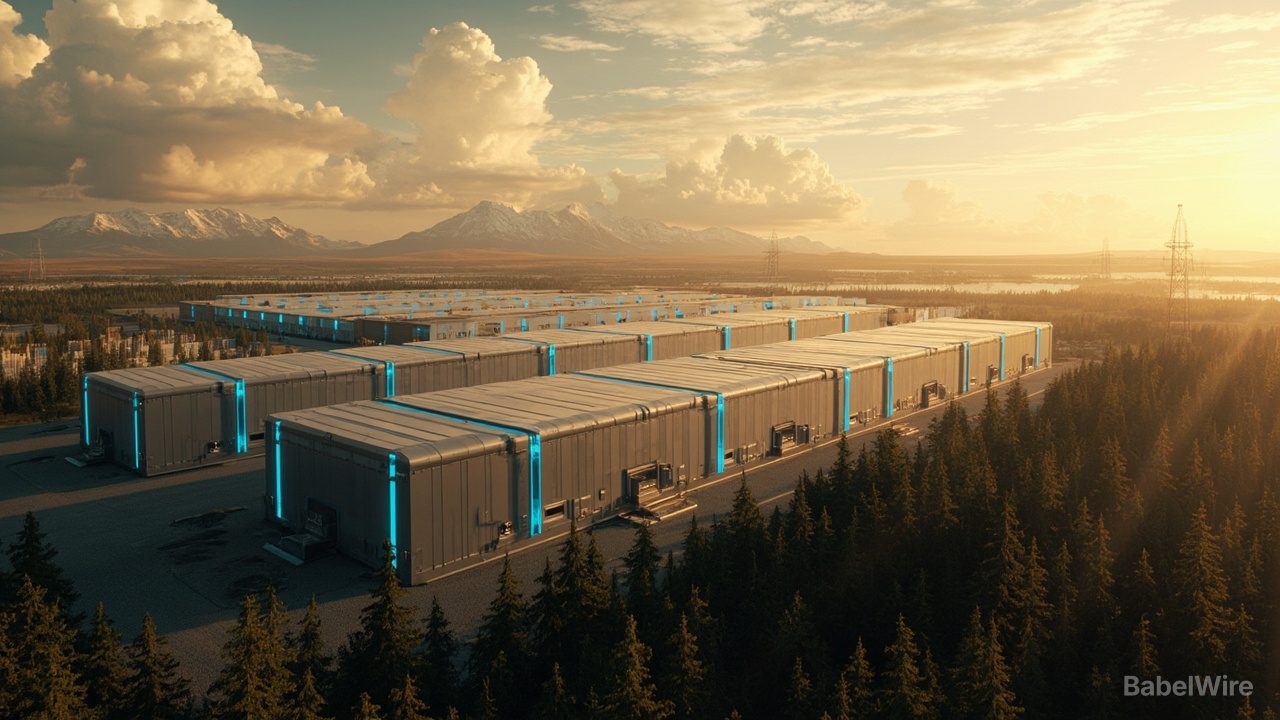
Meta, the parent company of Facebook, Instagram, and WhatsApp, has announced plans to build a C$13 billion AI data center in Alberta — its largest facility outside the United States and its first in Canada.
The hyperscale data center, located in Sturgeon County just north of Edmonton, will begin with 1 gigawatt of power capacity and is designed to scale up to 1.8 gigawatts. The investment represents one of the largest private-sector infrastructure projects in Canadian history.
A Strategic AI Infrastructure Play
The announcement, made jointly by Meta and the Alberta government on July 8, underscores the staggering scale of infrastructure required to power the AI boom. Data center electricity consumption is projected to double globally by 2026, and Meta's new facility alone will consume as much power as a mid-sized city.
The facility will be Meta's first multi-gigawatt data center outside the US, joining the company's fleet of AI-optimized facilities that include the Prometheus and Hyperion campuses stateside.
**Why Alberta?**
Alberta offers several advantages that made it attractive for Meta's investment: abundant and relatively inexpensive natural gas-powered electricity, a cold climate that reduces cooling costs for energy-intensive servers, available land, and a provincial government actively courting tech infrastructure investment.
However, the announcement has drawn criticism from environmental groups concerned about the carbon footprint of powering AI data centers with fossil fuels. Meta has stated it will pursue renewable energy credits to offset the facility's emissions.
Economic Impact
The project is expected to create thousands of construction jobs and hundreds of permanent operational positions. It also marks a significant diversification for Alberta's economy, traditionally dominated by oil and gas.
Meta's data center push mirrors a broader industry trend: Microsoft, Google, Amazon, and other tech giants are racing to build AI-optimized data centers worldwide, with global spending on AI infrastructure expected to exceed $1 trillion by 2028.