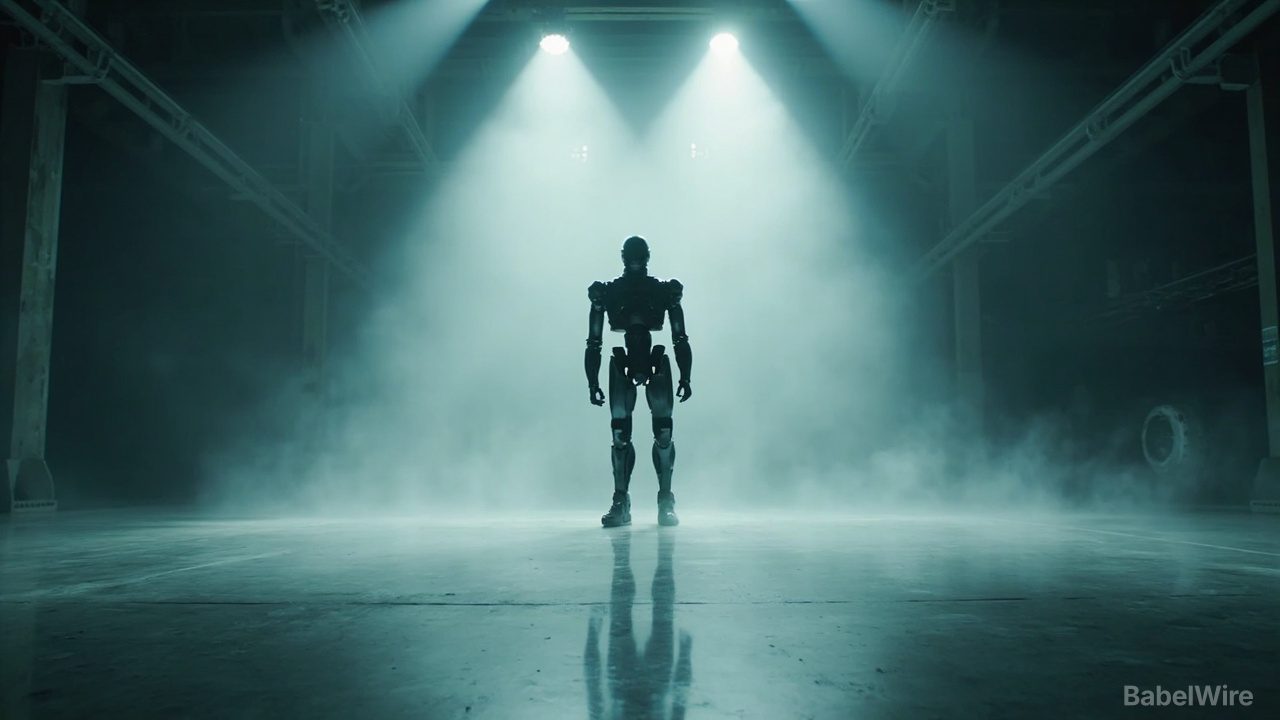
Despite years of breathless coverage and billion-dollar investment rounds, the humanoid robot market is barely moving. According to Golem's analysis of industry data, only around 7,000 humanoid robots were sold worldwide in 2026 — a figure that pales against the millions of industrial and collaborative robots already deployed in factories and warehouses.
The gap between projection and reality is stark. Multiple manufacturers — including Tesla's Optimus program, Figure, Agility Robotics, and several Chinese startups — have demonstrated impressive prototypes and secured significant funding. Yet commercial deployments remain limited to small pilot programs, primarily in logistics and manufacturing test environments.
Analysts point to several structural barriers: the cost per unit remains far above what makes economic sense for most applications, where a wheeled or articulated industrial arm accomplishes the same task more reliably and cheaply. Battery life, bipedal stability on uneven terrain, and the lack of a 'killer app' that uniquely requires a humanoid form factor all constrain adoption.
The 7,000-unit figure does not mean the industry is failing — pilot deployments generate critical training data and operational experience. But it does suggest that the timeline many investors and executives have publicly endorsed — humanoid robots in every warehouse and home by 2030 — is significantly overoptimistic. The technology is real; the market, not yet.