A new molecule that uses electricity — rather than consumable chemicals — to selectively capture and release gold could make urban mining of electronic waste significantly cleaner and cheaper.
The Problem
The world generated approximately 68 million tons of electronic waste in 2022, with only 22.3% formally recycled. UN estimates project this to reach 90 million tons annually by 2030. That 2022 e-waste contained metals worth approximately $91 billion, including $15 billion in gold alone. Current gold recovery methods rely on chemical-intensive processes that are expensive, toxic, and wasteful.
The Solution: A Molecular Clamp Powered by Electricity
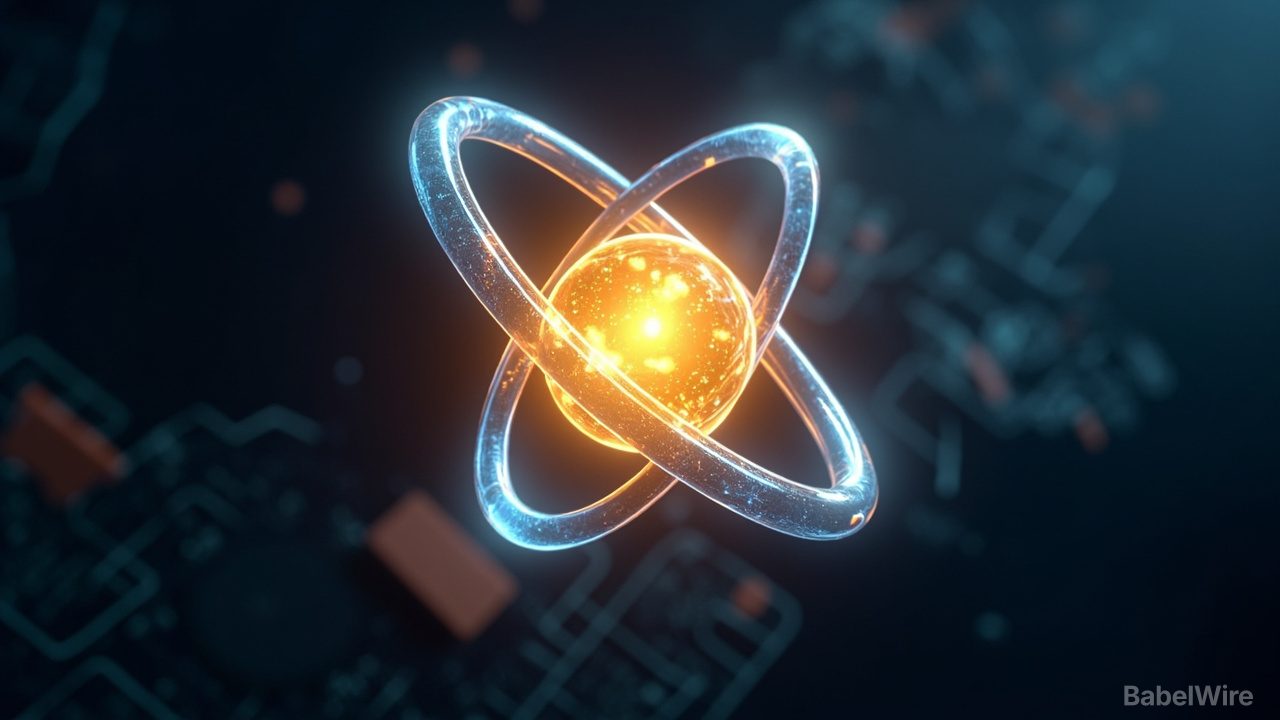
Published July 7 in ACS Energy Letters, the work was led by Professor Xiao Su at the University of Illinois Urbana-Champaign. The team designed a novel extractant molecule combining two key components:
- A ferrocene redox center that changes chemical state when electrons move through it - A permanently charged ammonium unit that makes the organic solvent conductive enough to carry electric current
This built-in conductivity is the breakthrough: it eliminates the need for additional electrolyte chemicals or helper redox agents that previous electrochemical extraction methods required. The molecule acts as both the metal grabber and the electrical switch.
How It Works
The process uses liquid-liquid extraction — two immiscible liquids brought together, where the extractant molecule captures target metals from one phase and carries them to the other. Charged one way, the molecule binds gold complexes and moves them into the organic phase. Reverse the electrical state, and it releases the gold, ready to repeat the cycle.
In tests, the system achieved: - 89% gold uptake from electronic waste leachates with high selectivity over competing metals (copper, nickel, iron) - Up to 95% release of captured gold ions on reversal - Approximately 91% oxidation of the ferrocene component, demonstrating efficient electrical switching - 10 to 100x reduction in separation chemical consumption during extraction and regeneration
Important Caveats
The molecule handles the selective separation step — it does not replace the initial chemical leaching needed to dissolve metals from circuit boards. That means acids or other harsh treatments are still required upstream. A full life-cycle assessment accounting for electricity source, molecule lifetime, solvent recovery, and remaining waste streams has not yet been completed.
The technology is still at laboratory scale. Industrial deployment requires demonstrating durability over thousands of cycles, handling variable waste streams, and competitive manufacturing costs.
What's Next
The team sees the approach as a platform: the same electrochemical setup could be adapted for platinum-group metals from catalytic converters, rare elements in mine tailings, or other valuable metals — simply by changing the molecular 'key.' The researchers plan to use computational modeling and AI to accelerate the search for metal-specific extractants.
The work arrives as the EU has set a 2030 target for recycling capacity equal to at least 25% of annual strategic raw material consumption, creating both regulatory pressure and market opportunity for cleaner metal recovery technologies.