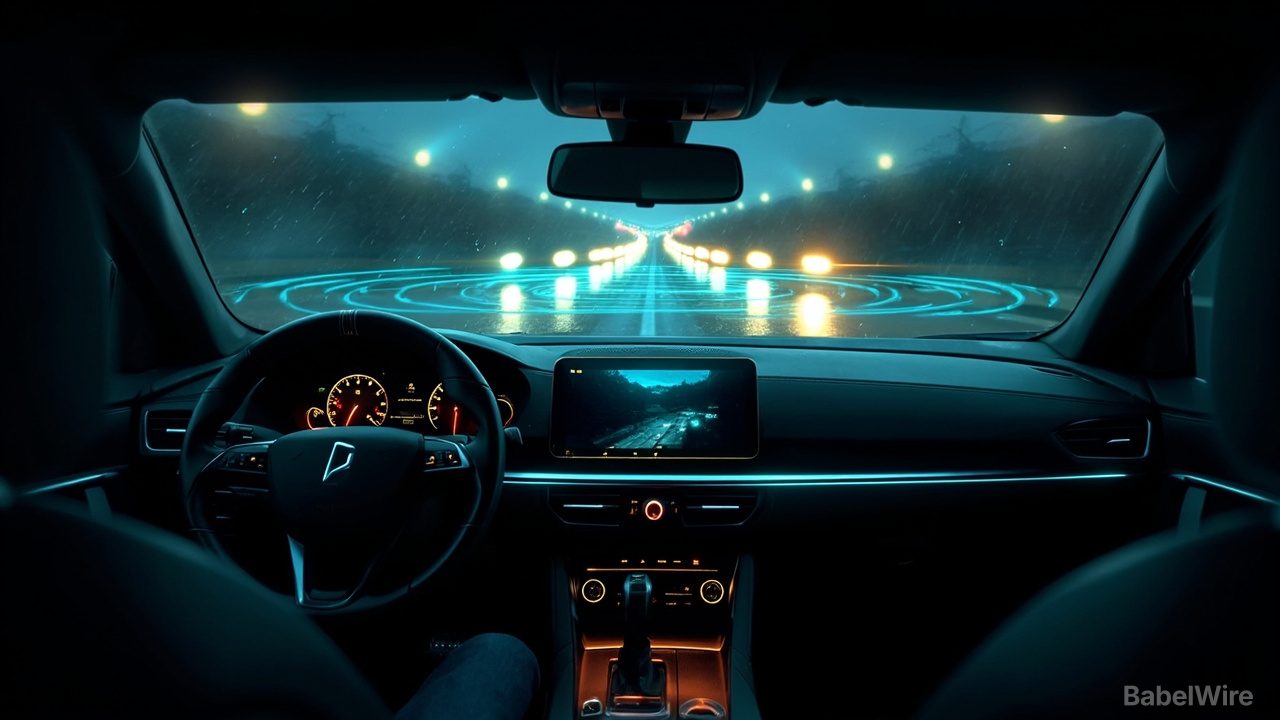
Google's more personalized Gemini is heading into cars through Android Auto, The Verge reports. Two of the year's slower trends meet in that sentence: the migration of Google's assistant stack onto Gemini, and the car turning into the most demanding place a voice assistant is used.
Personalization is the point of the shift and also its risk. A genuinely helpful in-car assistant wants your calendar, your contacts, your habitual routes, the thread where someone sent you the address, and the last thing you listened to. On a phone that context is embarrassing but contained. In a car it is spoken aloud, in front of passengers in the back seat who never agreed to any of it.
Google has been retiring the old Assistant surface by surface and replacing it with Gemini — on Android phones the handover was scheduled for September. The car is the last surface where the assistant is used without looking at anything: voice only, hands busy, attention already committed to the road. That makes it the best demo and the worst place to be wrong.
How the thing is delivered matters more than the announcement suggests. Android Auto runs off the phone, which means the model is likely working from a device that already holds your data and your account. Cars running Google built-in have their own connectivity and their own data-sharing arrangements with the manufacturer. Two architectures, two privacy stories, one product name.
Carmakers will read the news defensively. They have spent a decade watching phone mirroring colonize their dashboards, and the assistant is the last piece of the cabin interface they still influence. A model that answers questions about the vehicle's own warning lights is useful; a model that answers them better than the dealer does is a different relationship entirely.
Regulators will read it as a distraction problem. In-car interface guidance in most markets assumes short, discrete interactions — a tap, a confirmation, a spoken command with one expected answer. A conversational agent that offers follow-ups and asks clarifying questions is a new category, and the safety case for it has not been made anywhere yet.
The privacy questions are the unglamorous ones. Who keeps the transcripts, and for how long. What a subpoena or an insurer's request can reach. Whether the passenger in the back can object to a microphone that is listening for the driver.
None of this makes the feature a bad idea. An assistant that knows your calendar and your route is obviously, genuinely useful in a car — more useful than on a phone, honestly.
The tension is that the car is where a confident wrong answer costs the most. Personalization makes the answers more confident. It does not make them more correct, and at seventy miles an hour the difference is the entire product.