The News That Matters
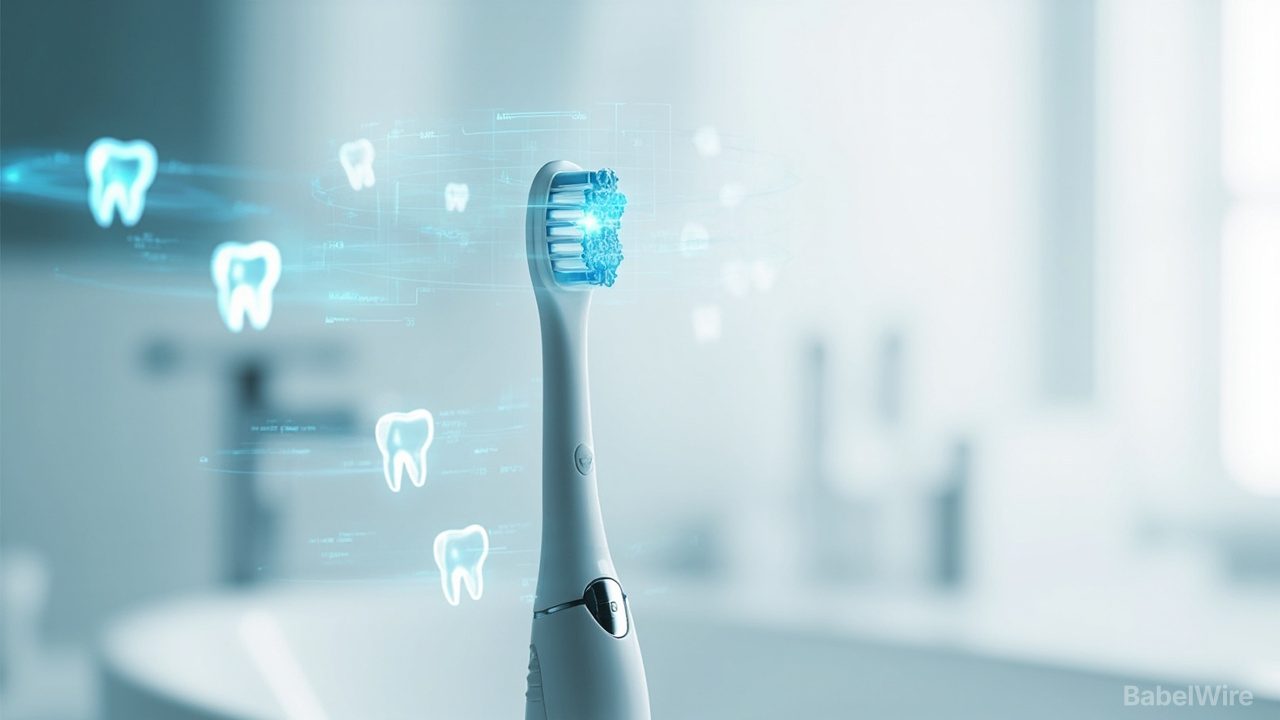
James Dyson has ventured into oral care with the CameraJet, a $499 AI-powered dental device unveiled in Paris on September 1, 2026. The product combines a toothbrush, water flosser, and rinser in a single unit, distinguished by a 100K-pixel macro camera lens embedded beneath the brush head.
How It Works
The CameraJet runs 16 million lines of code and was trained on 470,000 dental images. Its core technology, called 'Gap Optical Targeting,' analyzes 28 live images per second to detect gaps between teeth within 100 milliseconds. The system then aims its water jet precisely at those gaps.
The camera feed is live and visible to the user during brushing. However, Dyson emphasizes that the imagery is entirely local: no data is stored on the device or transmitted to the cloud. This privacy-first approach distinguishes the CameraJet from other smart health devices that typically rely on cloud processing.
The Three-in-One Design
Unlike conventional electric toothbrushes, the CameraJet integrates three functions:
- Brushing: Standard electric toothbrush functionality with real-time gap detection - Flossing: A water jet system that targets gaps identified by the camera - Rinsing: A dedicated rinse mode for post-brushing cleaning
The device retails at $499, positioning it firmly in the premium segment alongside Sonicare and Oral-B's high-end models, but with a capability neither competitor has matched.
Why It Matters
The CameraJet represents a broader trend of AI moving into everyday consumer devices. Dyson has long been an engineering-first company, but the addition of real-time computer vision to a toothbrush signals a new frontier in personal health technology.
The privacy architecture is particularly noteworthy. In an era where health data is routinely collected and monetized, Dyson's commitment to local-only processing could set a precedent for how consumer health devices handle sensitive data. The company specifically chose not to build cloud connectivity, even though it would have enabled features like longitudinal dental health tracking.
Market Context
Dyson's entry into oral care follows the company's expansion into air purification, hair styling, and lighting. The $499 price point is aggressive for the category — comparable to premium electric toothbrushes but adding camera-guided flossing functionality that no competitor offers. Whether consumers will pay a significant premium for AI-powered dental care remains an open question, but Dyson's brand loyalty in premium home appliances gives it a strong starting position.