The most valuable thing left at Weil, Gotshal & Manges may be the name.
Crosby, a two-year-old law firm that runs on its own AI, has put in a bid for some of the assets of the dissolving white-shoe institution: its trademark, its brand, and some unspecified internal data. Separately, it is trying to hire some of Weil's 1,200 lawyers. The Information reported the offer first; TechCrunch confirmed it on Friday.
The collapse is not a slow one. Weil's presumed leadership heir turned down the top job. A stream of top-billing partners left. A hoped-for merger with rival Willkie Farr & Gallagher — the soft landing — was called off last week. On Thursday the firm's leader, Barry Wolf, told partners that management is recommending dissolution, with a vote expected within days.
Crosby's pitch is the inverse of the legal-AI business model that has dominated the last three years. Harvey and Legora sell software to existing firms and let the partnership keep the client relationship. Crosby is the firm: it takes the work and delivers it with its own models and its own lawyers. It has raised about $85 million, including a $60 million Series B in March led by Lux and Index, with Sequoia, Elad Gil, 01 Advisors and Bain Capital Ventures participating. It left stealth in 2025 with $5.8 million in seed money.
Read the bid closely and it is less a takeover than an arbitrage on what a law firm's assets actually are. A partnership cannot really be bought. Its book of business walks out with the partners; its liabilities and conflicts stay with the entity. What can be bought is the part that does not walk: the mark, the letterhead, 95 years of accumulated deference, and — the detail worth watching — the internal data.
For an AI-native buyer, each of those is worth something different. The name is distribution: general counsel who will take a meeting with "Weil" will take one with a firm that used to be Weil. The lawyers are still the product — the models draft, but someone has to sign and someone has to be liable. And the internal data is the only asset that compounds inside a model rather than inside a reputation.
None of this means AI killed Weil. Nobody involved has claimed that, and the sequence — succession failure, departures, a dead merger — reads like an ordinary institutional death spiral that legal AI had nothing to do with. The terms of the bid are undisclosed and Crosby may not win.
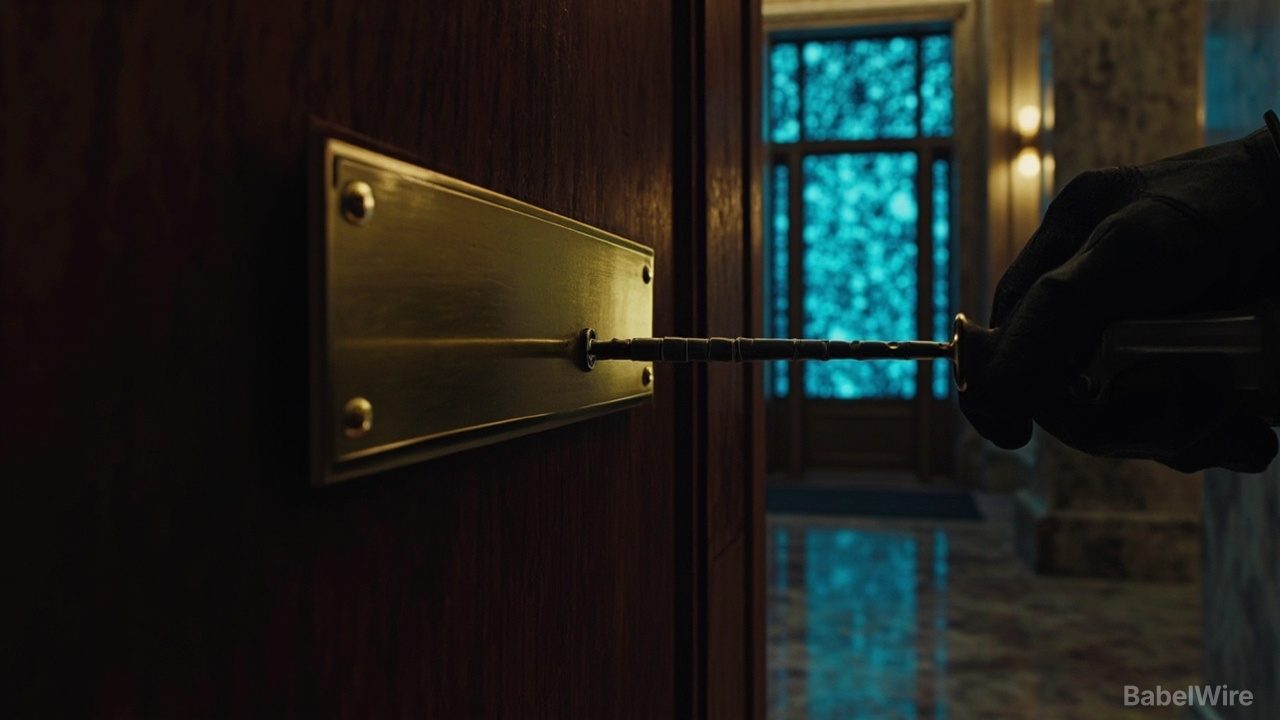
But the picture is the argument. A firm built in 2026 bidding for the trademark of a firm built in 1931 is a cleaner statement about the legal profession's next decade than any benchmark. The vendors spent three years selling shovels. Now one of them is bidding on the mine's nameplate.
What to watch: whether the partner vote happens and how the 1,200 lawyers split; whether Crosby converts a brand into laterals at a rate its recruiting alone could not; and whether another AI-native firm follows with a bid of its own. If the answer to the last one is yes, the interesting question stops being whether AI can do legal work and becomes who owns the name on the door.