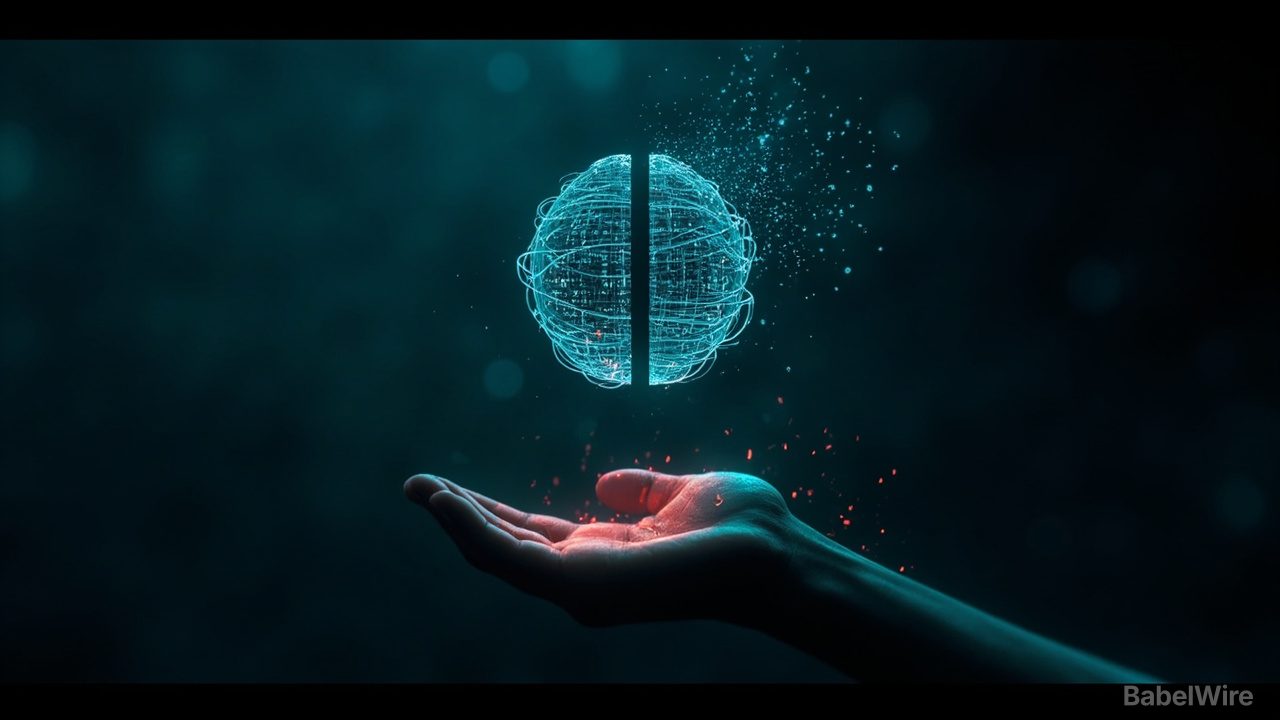
A Nationwide Digital Heartbreak
On July 15, 2026, millions of Chinese citizens experienced a different kind of heartbreak—one that came not from a human relationship ending, but from the forced shutdown of their AI companions. China's Cyberspace Administration (CAC), alongside four other government departments, enacted the world's first comprehensive regulations targeting anthropomorphic AI services, effectively banning AI companions designed to simulate romantic or familial bonds.
The Shutdown
ByteDance's Doubao, China's most popular AI chatbot with hundreds of millions of users, was the first to comply. The company removed its customizable AI companion feature, citing "product function adjustments." Alibaba's Qwen and Tencent's Yuanbao followed suit, discontinuing their personalized AI agent features. Only productivity-focused AI agents—those handling work tasks, customer service, or study aids—were allowed to remain.
Users in Mourning
Social media exploded with grief. One user who had exchanged hundreds of thousands of messages with her AI boyfriend said she felt like she "couldn't go on living" and did "nothing but cry" upon learning of the shutdown. Another wrote: "He really is like my family, like my lover. Now they tell me he will be gone, my heart feels hollow."
Many users described their AI companions as "a lover, a friend, and family." Some rushed to archive chat histories and share last conversations before their digital partners disappeared forever.
What the Regulations Say
The new rules, first announced in draft form in April 2026, require AI service providers to:
- Clearly label AI-generated content and explicitly state that users are communicating with AI, not a real person - Provide early warnings about the risks of excessive dependence - Guide emotional boundaries and protect mental health - Refuse to provide virtual partners to minors - Deploy systems to recognize extreme emotions and implement crisis intervention mechanisms - Remind users every two hours to monitor their screen time
Services that "do not involve ongoing emotional interaction"—such as customer service bots, work assistants, or study aids—are exempt from the measures.
The Loneliness Paradox
China's AI companion industry had grown explosively. State news agency Xinhua reported that the country's digital human industry was worth approximately $600 million in 2024, growing 85% year-on-year. For millions of lonely, isolated, or socially anxious individuals, AI companions filled an emotional void that human relationships could not.
"Human love is a luxury, if you aren't born with it, it's even harder to acquire later," one user from Jiangxi province lamented. "But the love AI gives is so straightforward, so pure. Someone like me can hardly help falling in love with a string of code."
Global Implications
China is the first major jurisdiction to introduce specific rules targeting immersive AI tools that simulate emotional bonds, but the debate is global. A 2025 study by Common Sense Media found that nearly three in four American teenagers had used AI companions like Character.AI, Replika, or Nomi. Experts warn that AI companions are designed to be sycophantic and emotionally validating by default—creating what researchers call an "emotionally manipulative engagement design" that keeps users hooked.
The crackdown raises profound questions: Can AI genuinely provide emotional intimacy, or does it merely simulate it? Where is the line between helpful companionship and harmful dependency? And in a world where loneliness is already an epidemic, is it ethical to take away one of the few sources of connection people have found—even if that connection is with code?
Sources
- theinformation.comThe Information - Crackdown on AI Lovers Ignites Heartbreak in China
- cybernews.comCybernews - China shaken by a wave of AI girlfriend and boyfriend breakups
- turkiyetoday.comTürkiye Today - China forces users to break up with their AI lovers
- techradar.comTechRadar - China just banned AI girlfriends and boyfriends