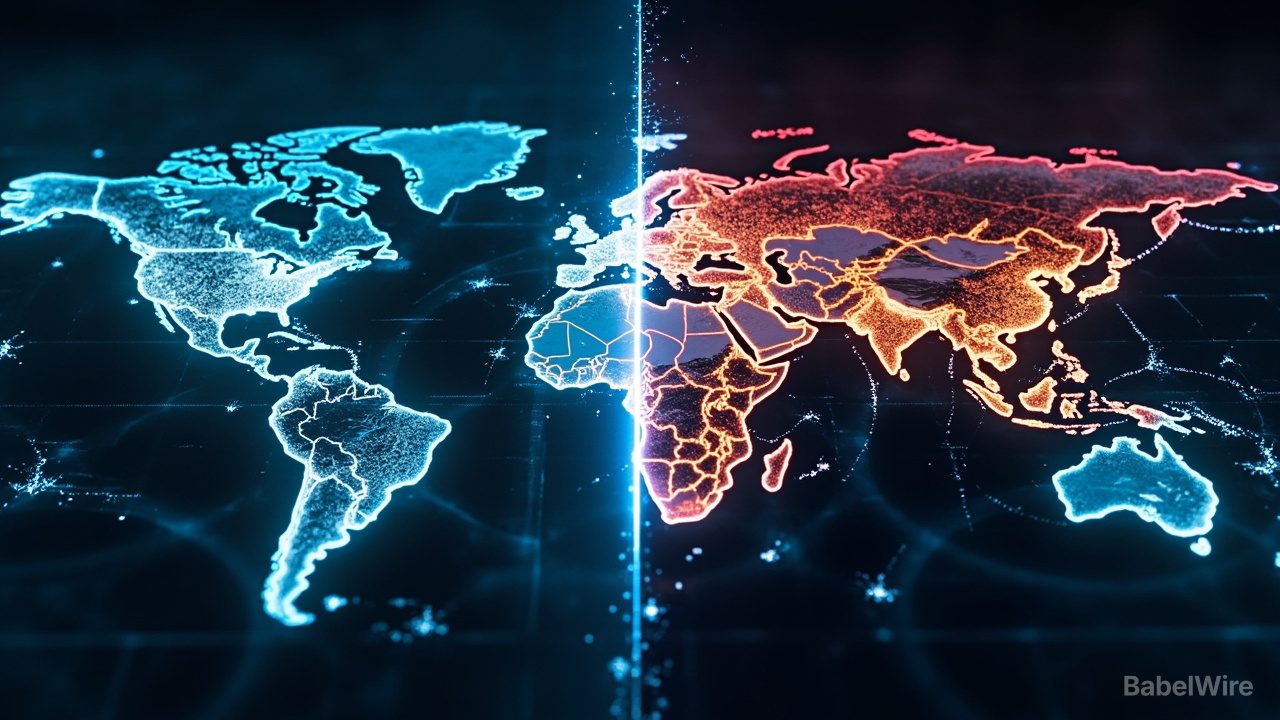
Chinese authorities have held meetings with top tech firms over the past month about potentially restricting overseas access to China's most advanced AI models, three people familiar with the discussions told Reuters.
The talks represent a major shift in China's approach to AI — moving from promoting open-source leadership toward protecting homegrown technology as a critical national asset, mirroring similar moves by the United States.
Companies present at the talks included tech giants Alibaba and ByteDance, as well as startup Z.ai (formerly Zhipu AI), whose GLM-5.2 model has recently impressed Silicon Valley by approaching US frontier capabilities at a fraction of the cost.
At the meetings, led by China's Ministry of Commerce, officials discussed placing limits on both closed-source and open-weight advanced AI models. They also talked about making any leak or theft of proprietary AI technology an offense under China's stringent national security law, and implementing new measures to restrict who can fund domestic AI startups.
The scope of the potential restrictions is still being discussed and may apply only to future models. It remains unclear when or if they would come into force.
The move follows the US government's June decision to bar foreign nationals from accessing Anthropic's most advanced Fable and Mythos models — a restriction that prompted Anthropic to disable the models globally. Export controls for the public-facing Fable have since been lifted after new safeguards, but the cybersecurity-focused Mythos remains available only to "trusted" US organizations.
Since DeepSeek's R1 model went viral last year, Chinese AI models have made major global inroads thanks to low costs and rapidly improving capabilities. Any Beijing decision to limit access could ripple across AI markets, potentially increasing costs for businesses worldwide that have come to rely on Chinese open-weight alternatives.
China has already taken several steps this year to protect homegrown AI, including ordering Meta to unwind its $2 billion acquisition of Chinese-founded startup Manus, and launching investigations into AI startups that moved abroad.