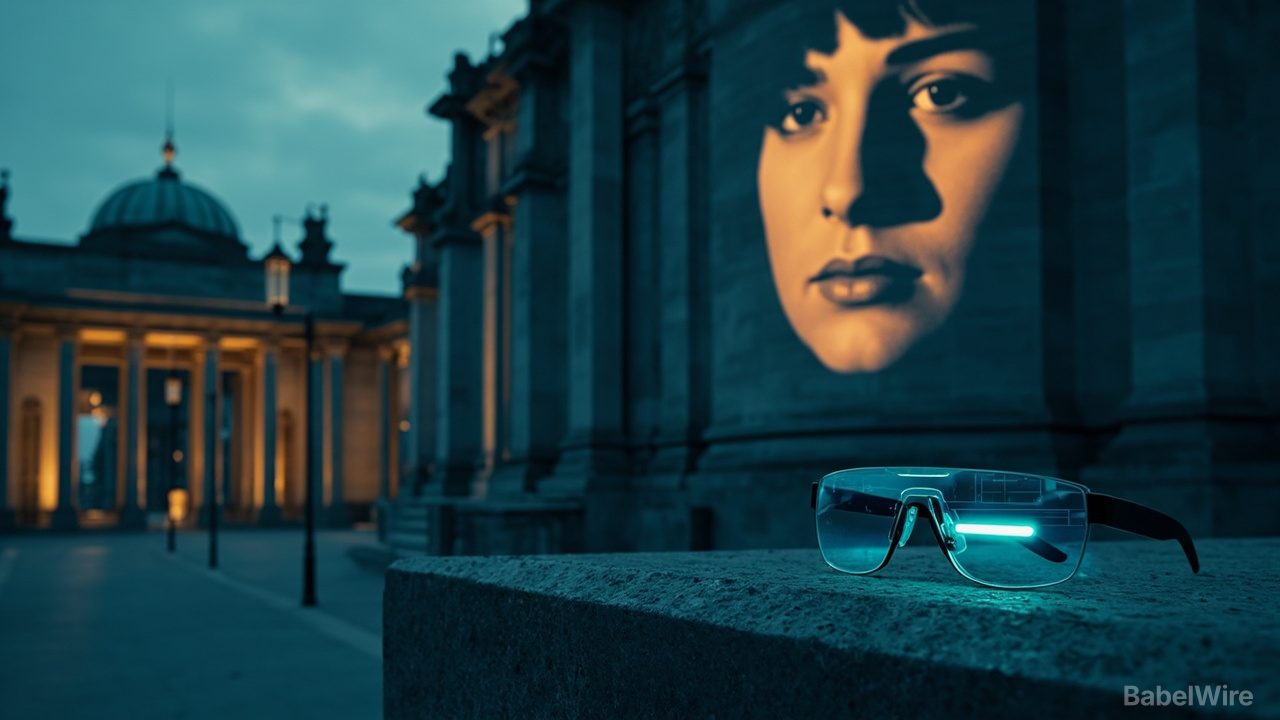
The Bundesrat — the chamber representing Germany's federal states — has called for stricter rules for smart glasses and deepfakes, Heise reported. The demand puts two technologies that have repeatedly clashed with European privacy norms at the center of Germany's legislative agenda: face-worn cameras that can record bystanders without notice, and AI-generated media that blurs the line between authentic and fabricated.
The timing fits a broader European push. On November 20, the Netherlands' privacy watchdog issued a warning against AI smart glasses, and Meta has already been stripping cameras from some of its wearables to blunt the privacy backlash. On the deepfake side, transparency rules under the EU AI Act that took effect in August require AI-generated content to be labeled — but enforcement and national penalty regimes still vary from country to country.
Because Germany's data protection authorities operate at the state level, the Bundesrat's position matters: the state governments are the ones who would have to apply any tighter rules on the ground. A Bundesrat push therefore signals that pressure for a harder line is coming from the federal states themselves, not only from federal ministries in Berlin.
Heise's report carries the details of exactly what the Bundesrat is asking for.


