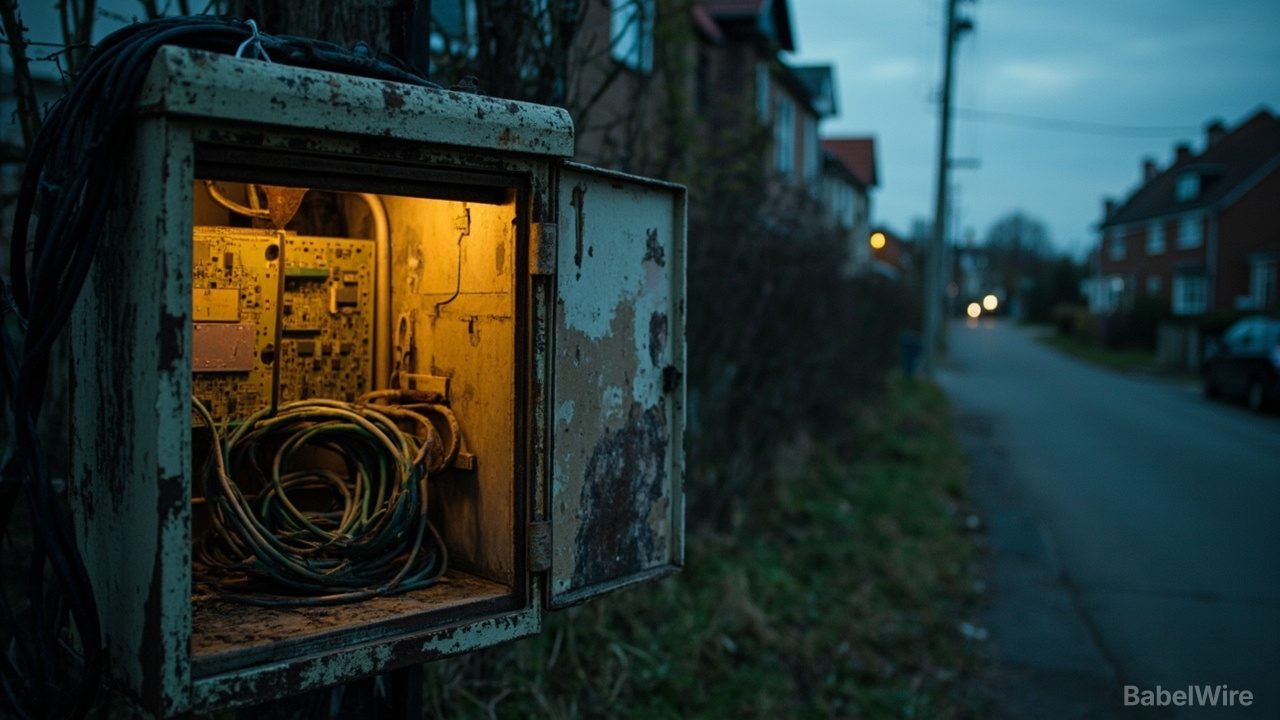
Copper has been declared dead many times, but it keeps working — and that is exactly the problem. At its annual conference, Breko, the association representing Germany's challenger broadband providers, warned that DSL tariffs are set to rise significantly in the near future because the spare parts required to keep the ageing copper access network running are becoming unavailable.
DSL exchanges, line cards and street cabinets were built in batches two and three decades ago, and the suppliers that made them have largely exited the business as operators moved to fibre. When a component fails and no replacement sits on the shelf, operators are forced into expensive improvisation — cannibalising decommissioned sites, sourcing parts on the secondary market, or replacing whole exchanges that only needed one board.
The warning is aimed less at today's consumers than at the policy timetable. Germany has no fixed date for switching off its copper network, and every year without one extends the period in which a shrinking customer base has to carry the cost of maintaining a shrinking plant. Breko members are especially exposed: they lease and operate large parts of the incumbent's copper network, so the scarcity reaches them before it reaches the incumbent itself.
The association's argument is that a regulated switch-off date would let the industry plan the migration properly — retiring copper where fibre has reached it, rather than running both networks in parallel and charging DSL customers for the privilege. Households where fibre has not yet arrived would be left on copper either way, which makes the pace of the rollout, not just its target, the number that matters.
For now the practical advice is unchanged: check whether fibre has reached your address, because that answer increasingly determines what your line costs to keep alive.


