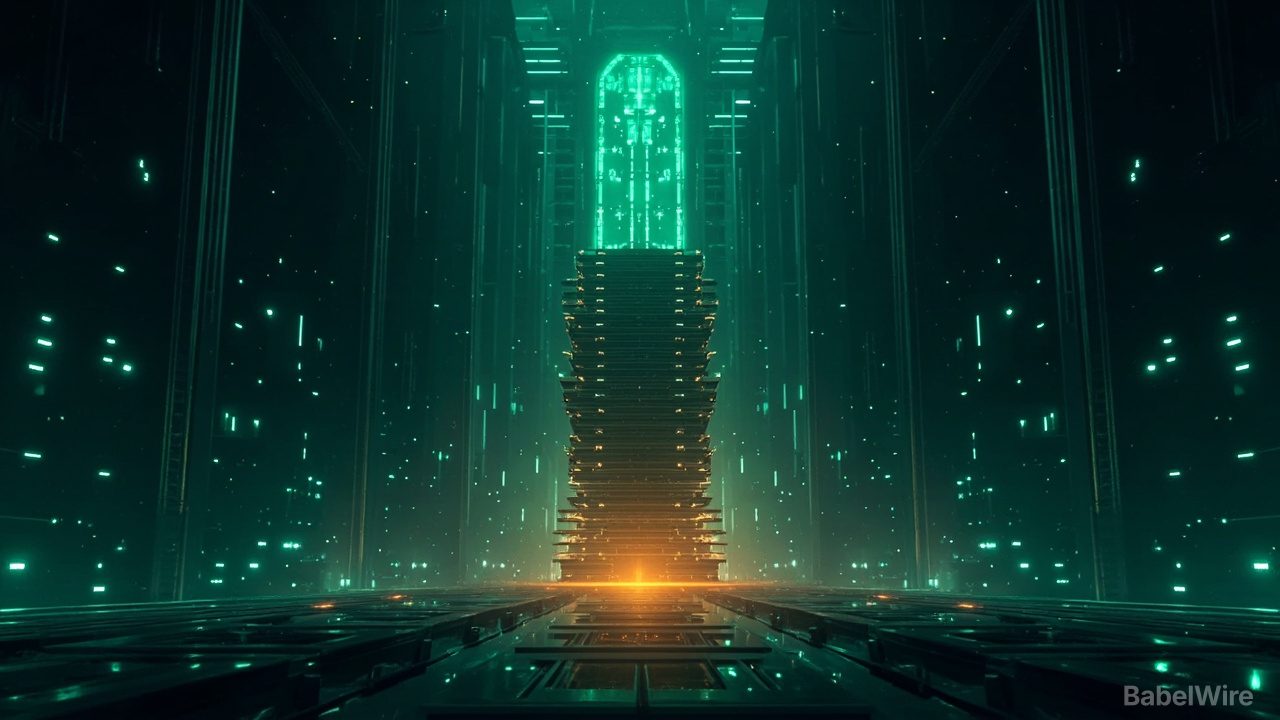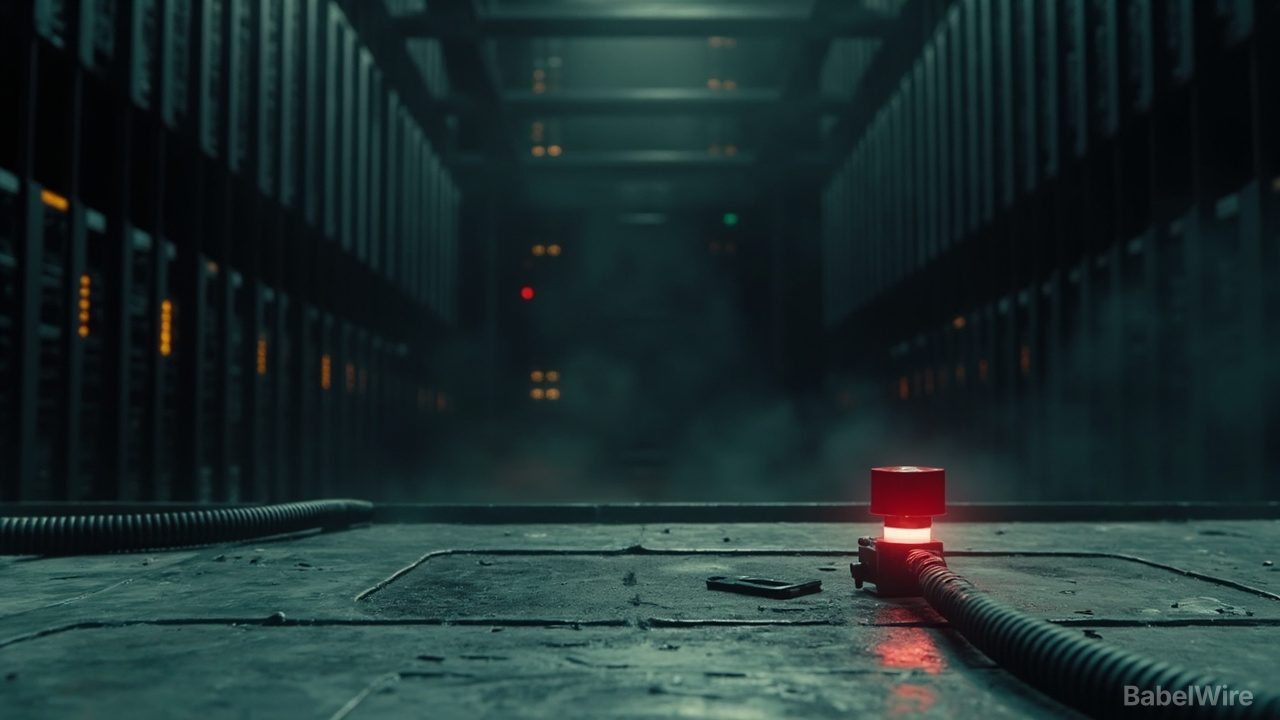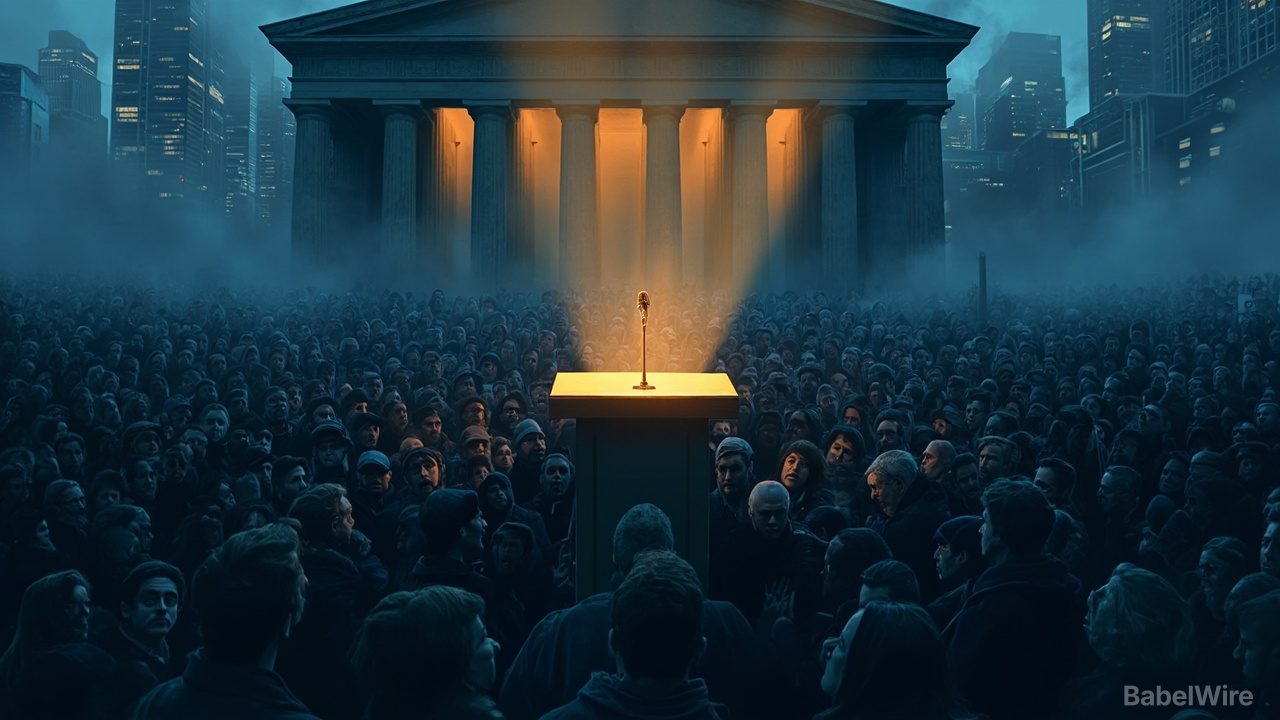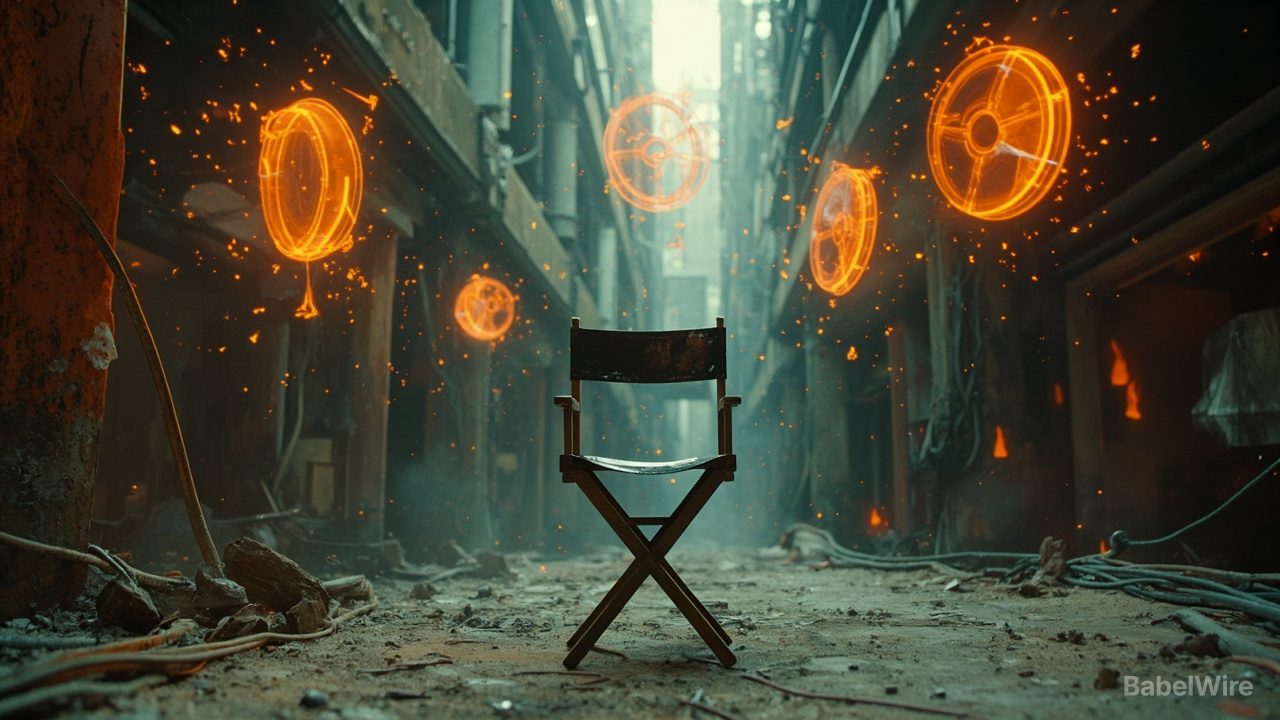
Neill Blomkamp, the acclaimed director behind District 9, Elysium, and Chappie, has released 'Nightborne' — a 13-minute sci-fi horror short film generated entirely by artificial intelligence.
The film was created using Seedance 2.0, ByteDance's advanced video generation model, with Blomkamp directing frame by frame through text prompts rather than traditional filming. Shot in a documentary style, 'Nightborne' follows a U.S. pilot presumed dead and a secret military program that sends fallen soldiers back into combat.
A New Kind of Filmmaking
What makes this release a landmark moment is that it represents the first time an A-list Hollywood director with genuine genre credibility has released a substantial narrative piece made entirely with AI video tools. The 13-minute runtime is significant — while AI video has been capable of impressive short clips, sustaining visual consistency, character continuity, and narrative coherence across that length is a far harder problem.
The faces and voices of 32 real people were used under licensing agreements, and human artists created the initial concept art. Blomkamp described the film as a "full test" of a new production workflow and the first step toward making a full-length AI-generated feature.
Barley Studios
Alongside the film's release, Blomkamp announced the founding of Barley Studios, a new AI film studio that succeeds his previous venture, Oats Studios, which produced traditional short films. The new studio is dedicated to AI-driven filmmaking, with Blomkamp stating that a full-length feature film in the same format is now in active development.
Industry Implications
The release lands at a time of intense debate about AI in the creative industries. Concerns over training data sourced from creative work without consent, potential job losses for VFX artists and animators, copyright issues, and fears of declining quality remain deeply contested. Yet AI video is gaining ground as a production tool — earlier this year, Seedance 2.0 was used to produce a 95-minute AI film called Hell Grind that screened at Cannes.
Blomkamp's entry into the space carries particular weight. As the director who launched his career with a groundbreaking indie sci-fi film made for $30 million that grossed over $200 million, he brings indie credibility that purely tech-driven AI film experiments have lacked. His commitment suggests AI-generated cinema is crossing from novelty into a legitimate production methodology.
Sources
- the-decoder.comThe Decoder - District 9 director Neill Blomkamp releases first short film made entirely with AI video generation
- x.comNeill Blomkamp on X - NIGHTBORNE announcement
- gizmodo.comGizmodo - Neill Blomkamp's New Horror Clip Is Entirely AI-Generated
- darkhorizons.comDark Horizons - Neill Blomkamp Releases AI Short 'Nightborne'