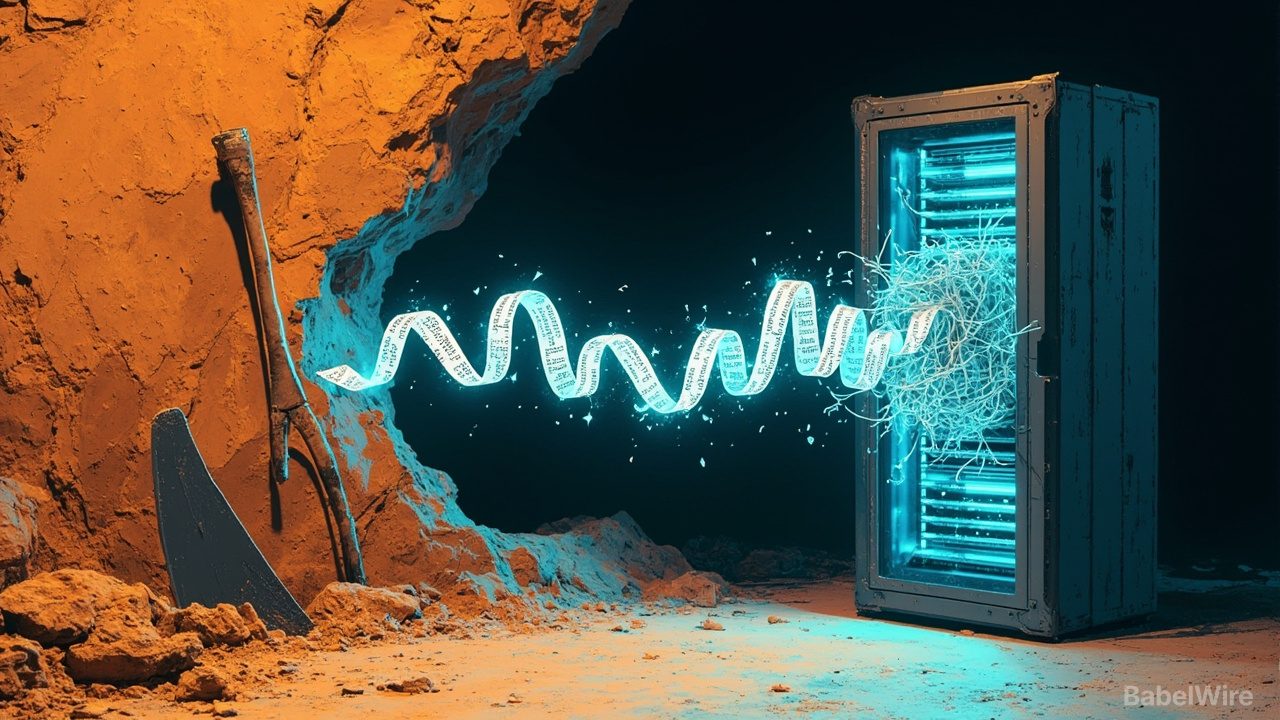
Anthropic has begun embedding invisible, machine-readable watermarks in all text generated by Claude models launched on or after August 2, 2026 — making it one of the first major AI companies to implement systematic content labeling in compliance with the European Union's AI Act.
The watermarks are woven directly into the model's output without altering the meaning, quality, or length of the text. They are imperceptible to human readers but detectable by specialized scanning tools. In addition to the text watermarks, Anthropic is signing generated files with C2PA (Coalition for Content Provenance and Authenticity) metadata, an industry standard for tracking the origin and modification history of digital content.
The EU AI Act, which entered full force on August 2, requires providers of general-purpose AI systems to ensure that AI-generated content is machine-readable as such. Anthropic's implementation appears designed to meet this requirement ahead of enforcement deadlines.
Claude models launched before August 2, 2026 fall under the EU's transition provisions and are not yet required to carry watermarks. Anthropic has said it will extend watermarking to these older models as well, though no timeline has been specified.
The move places Anthropic alongside Google, which announced similar watermarking plans for Gemini earlier in 2026, and ahead of OpenAI, which has not yet committed to text-level watermarking for ChatGPT. The practical challenge remains detection: while watermarks can be embedded, current scanning tools have varying accuracy rates, and adversarial techniques can sometimes strip or degrade watermarks without altering the visible text.
Anthropic published a detailed blog post on August 15 addressing how the watermarks work, their limitations, and the company's broader approach to AI content provenance. The posting acknowledged that watermarking is one tool among many — not a silver bullet for AI misinformation — but argued it is a necessary component of responsible deployment.