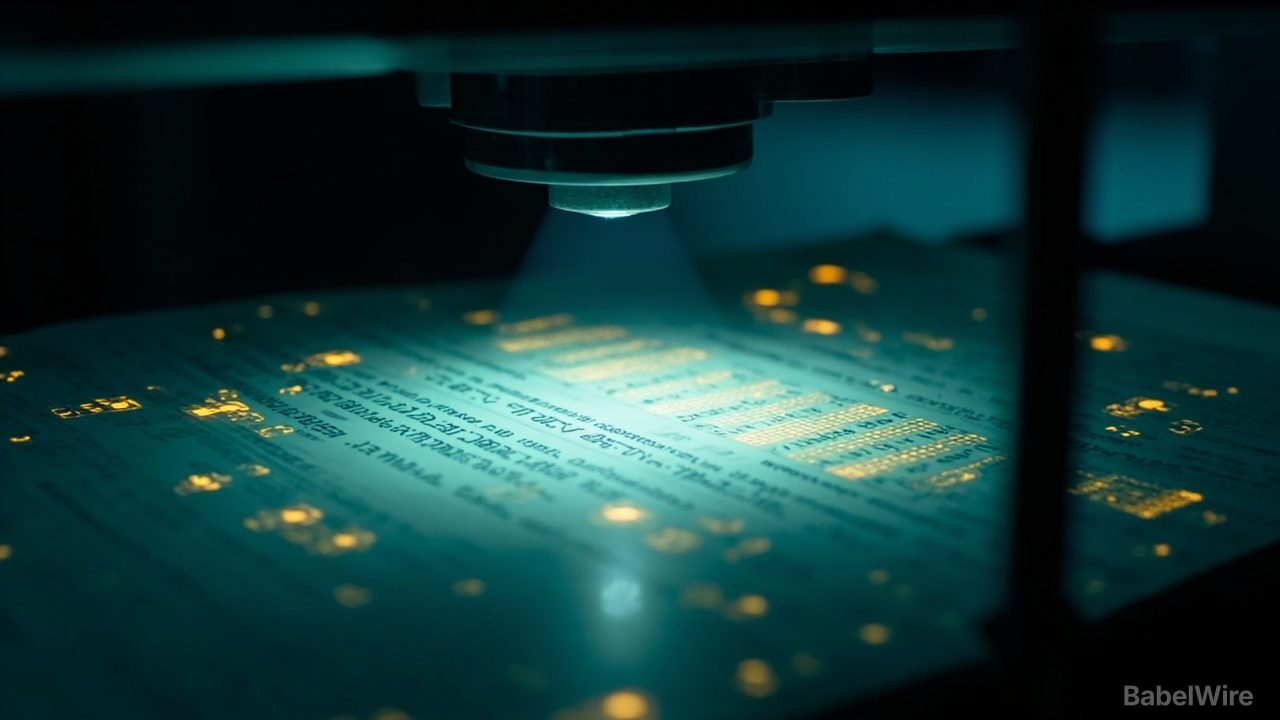
Anthropic has announced that new versions of its Claude models will embed invisible, machine-readable watermarks directly into the text they generate. The marks are designed to be imperceptible to readers — they do not change the meaning of the text — yet durable enough to survive copying, pasting and editing, so detection tools can identify the content as AI-generated even after it has been modified.
The company described the watermark as traveling with the text wherever it is copied. For images, Claude will attach signed C2PA metadata certifying their AI origin. Anthropic says it will publish guidelines later this year explaining how to scan documents for the text watermark.
The feature applies to text generated by Claude models launched on or after August 2, 2026, making the rollout effectively global and immediate. The move aligns with growing regulatory pressure, particularly the EU's transparency rules, which require labeling of AI-generated content.
Watermarking addresses a problem that has grown acute: as AI-generated text, images and video become indistinguishable from human work, platforms, publishers and educators need reliable ways to verify origin. Earlier schemes failed because watermarks could be stripped by simple reformatting; Anthropic says its text watermark was designed with exactly that failure mode in mind.
Critics note that watermarking is not a complete solution — content from unmarked models remains undetectable, and determined actors may find workarounds. But coming from one of the leading frontier labs, the decision marks a significant normalization of provenance technology across the industry, and sets a benchmark that rivals — and regulators — will be watching.