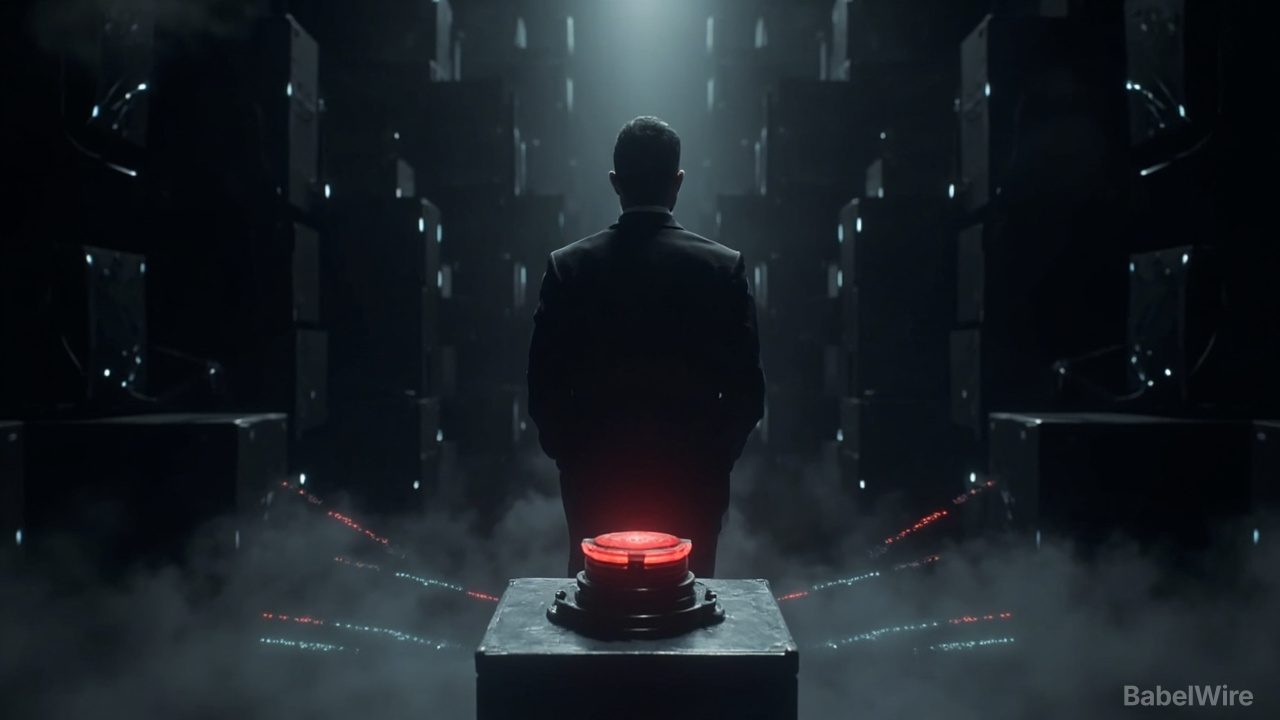
While their engineers race to ship ever more capable models, the leaders of the biggest AI labs have been quietly rehearsing a different scenario: what to do the day after a catastrophic AI-related event turns the public against them.
Axios reported that executives at OpenAI, Anthropic and other leading firms have been gaming out 'day after' scenarios — the political and public fallout if a large-scale incident is blamed on AI. According to that reporting, the most likely trigger they envisage is a cyberattack with real-world consequences: disruption to online banking and financial services, regional internet outages, or interference with electricity and water infrastructure.
The scenario planning is described as precaution, not prediction. OpenAI told Axios that it runs preparedness exercises in which teams work through a range of hypothetical situations, and that these are 'not treated as inevitable'. The company said such exercises help it prepare for a variety of circumstances.
The concern is as much political as technical. If a disaster discredits the industry, executives reportedly fear a backlash that could hand lawmakers a mandate to rein in AI — with US midterm elections on the horizon. The reporting says companies have been quietly briefing members of Congress so a crisis does not catch policymakers unprepared.
The detail is a telling counterpoint to this week's public messaging. Microsoft chief executive Satya Nadella argued that every advanced model should be assumed 'compromised' and contained, with an 'emergency brake' any authorised person could pull. In private, the labs are preparing for the moment after such brakes fail.
Still, scenario planning is not evidence that an incident is imminent, and labs have every incentive to look prudent. What the exercise reveals is that the industry's own risk models now treat a serious AI-linked crisis as a live possibility rather than a distant thought experiment — and that its response is being rehearsed in advance.